
Your website is often the first impression your startup makes, and it can make or break your brand. Modern startup website design isn’t just about looking good; it’s about building credibility, ranking in search, and turning visitors into customers.
Whether you are launching a new company or refreshing your digital presence, investing in professional website design for startups is critical to long-term growth and visibility.
There are many reasons why your website will take center stage. It plays a significant role in establishing your brand, building credibility, and attracting customers. But having a website doesn’t matter if no one sees it. It’s also meaningless if people click on your website but leave immediately. The way to make your website count is two-fold. First, ensure you are visible in search results. Second, encourage people to engage with your website.
Designing a startup website requires balancing branding, functionality, and user experience. Additionally, the site must be optimized to appear in Google search results. This article covers the top priorities for creating or refreshing a high-performing website.
That’s why successful web design for startups must combine SEO, user experience, and conversion strategy from the very beginning.
What Makes a Great Startup Website Design?
A high-performing startup website design is built to do more than just exist online. It must attract, engage, and convert visitors into leads or customers.
The best startup websites typically include:
- Clear positioning and messaging for target audiences
- SEO-optimized content targeting keywords like “startup website design” and “web design for startups”
- Fast load speeds and mobile-first performance
- Conversion-focused layouts with strong calls-to-action
- Scalable technology that grows with the business
If your site is missing these elements, it may struggle to rank well in search results and convert traffic effectively.
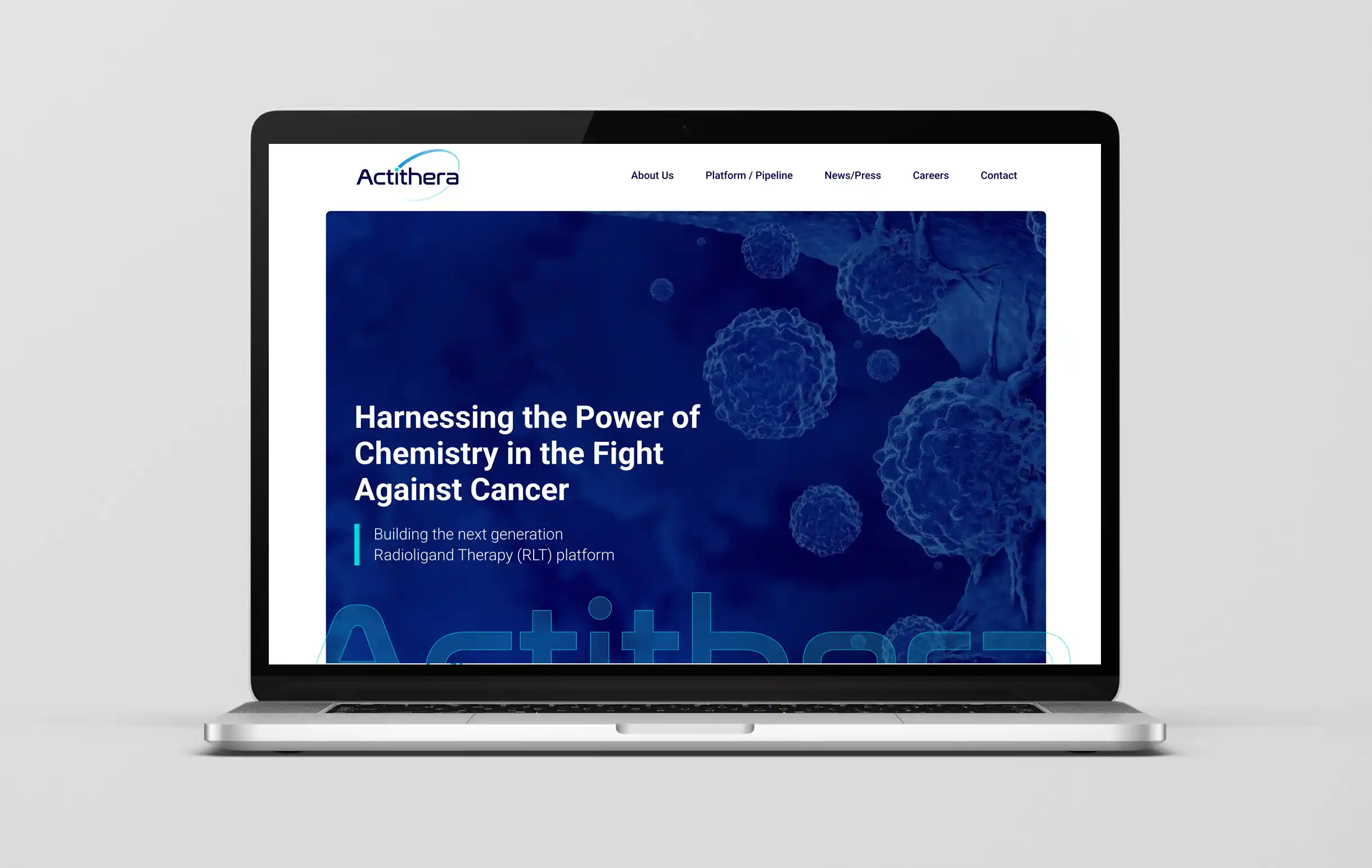
Startup website design goals: plan for success from day one
The very first step is to define clear goals for your startup’s website design.
Every successful startup website design begins with aligning business goals with a digital strategy.
What do you want your website to accomplish? Examples of high-level goals may be generating leads or selling products. Once you determine the website’s job, you can plan strategies that will align with your business goals.
Let simplicity and clarity guide web design for startups.
In modern web design for startups, simplicity is not just a design preference it is a competitive advantage for both SEO and user experience.
Did you know that 94% of first impressions are related to design?
Start by keeping your startup’s web design. There’s no benefit to going crazy with all the bells and whistles. In fact, overly designed sites confuse and tire readers. Instead, focus on creating a look and feel that reflects your company’s style and values. Think carefully about the use of color, typeface, images, and other design elements.
Website usability & flow
Complement design elements with usability. Include plenty of white space to prevent eye fatigue. Divide pages into sections that present information in a logical flow. Make it easy for users to find (and click on) calls-to-action (CTAs) that encourage them to convert. This may mean making a purchase, filling out a form, or downloading an ebook.
Clear branding and messaging make your startup website unforgettable
Strong branding is a foundational element of effective startup website design and helps differentiate your company in crowded markets.
Branding:
As a startup, your website design must establish your brand. You’ve seen messy websites where every page looks different. It looks disconnected, unprofessional and forgettable. Consistently applied branding elements define your look and reinforce your brand. Key elements to create a solid look and feel include:
- Brand personality
- Logo, colors, and typography
- Page design and visual approach
Messaging:
Use a consistent tone (professional, friendly, creative, etc.) throughout your website.
All content should reflect who you are, what services or products you provide and why you are better than your competitors:
- Place your tagline consistently on every page.
- Display a clear value proposition above the fold.
- Create all written and visual content that reflects the brand.
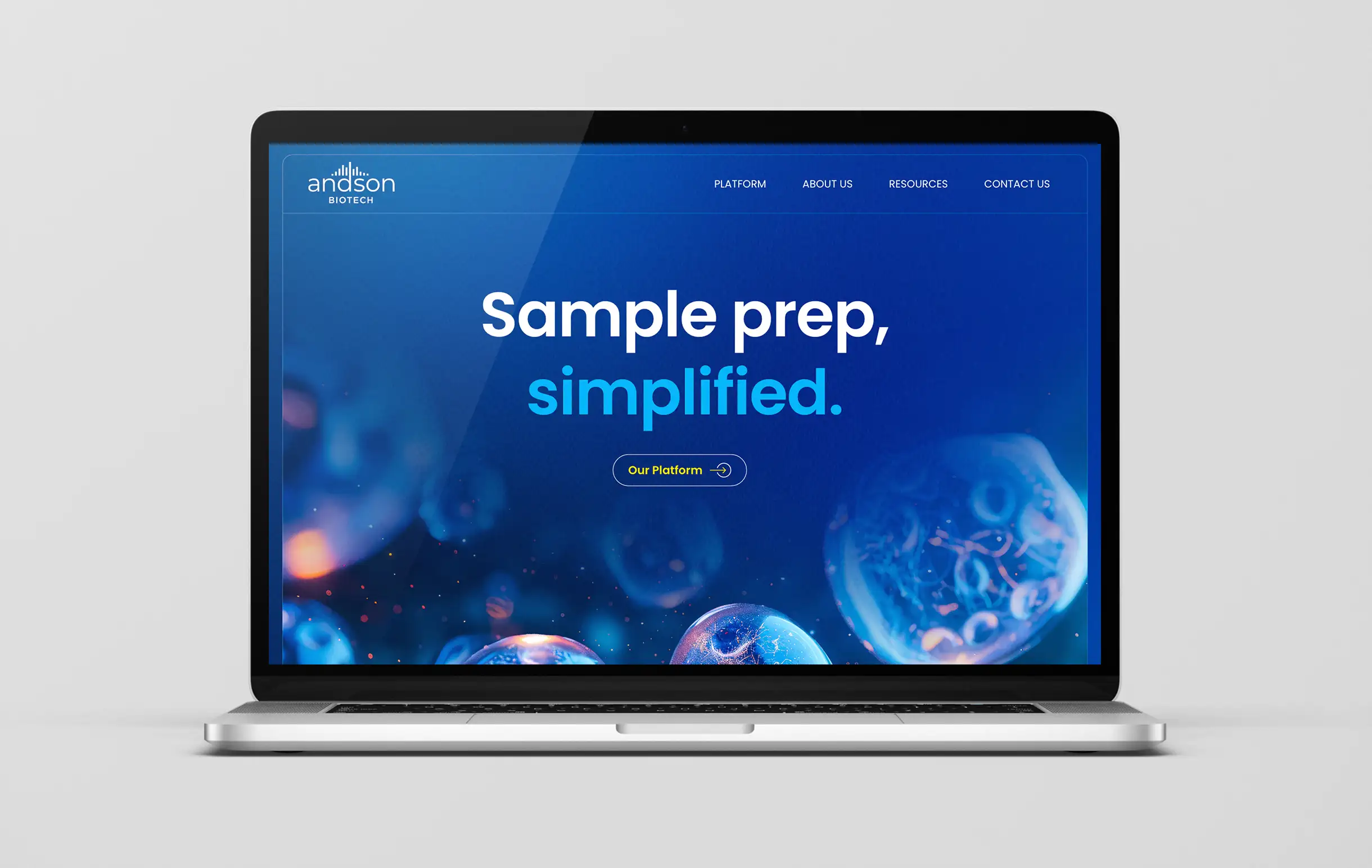
Why a Content Strategy Is Essential for Startup Websites
A well-defined content strategy is essential for improving rankings for competitive terms like “startup website design” and “website design for startups.”
A familiar saying in SEO is “Content is king.” Users appreciate clarity and scannability. Logically organize subheads. Include focus points like bullet points and numbered lists. As voice search becomes increasingly popular, consider adopting a conversational tone. Prioritize your homepage with a clear value proposition and focus on top-of-page content that encourages users to take a deeper dive.
User experience (UX) is the cornerstone of great startup website design
Google prioritizes user experience signals, making UX a critical ranking factor for web design for startups.
It’s great when visitors come to your site and see a well-designed startup website. But if your site is difficult to use, it’s unlikely they’ll stick around. A fast site is also critical: 47% of users won’t wait longer than two seconds for a website to load. If your website doesn’t serve their needs, don’t expect them to return.
Remember simplicity. Keep your menus small and logical. While the “3-click rule” has been debunked, it’s still wise to minimize the number of clicks required to reach any page.
Conversion-driven design turns visitors into customers
High-converting startup website design focuses on guiding users toward action through intentional layout, messaging, and design hierarchy.
In website design, a visitor converts when they complete a desired action. Types of conversion include making a purchase, filling out a form, or subscribing to a newsletter.
Three techniques that encourage conversions are:
- Clear calls to action (CTAs) are strategically placed on key pages, such as “Buy” or “Download Now.”
- Streamlined, easy-to-complete forms for sign-ups, purchasing, etc.
- Standalone landing pages that are designed for a specific goal, such as signing up for a webinar or downloading an ebook. They typically capture leads by asking for an email address (and often other information) in exchange for the landing page’s offering.
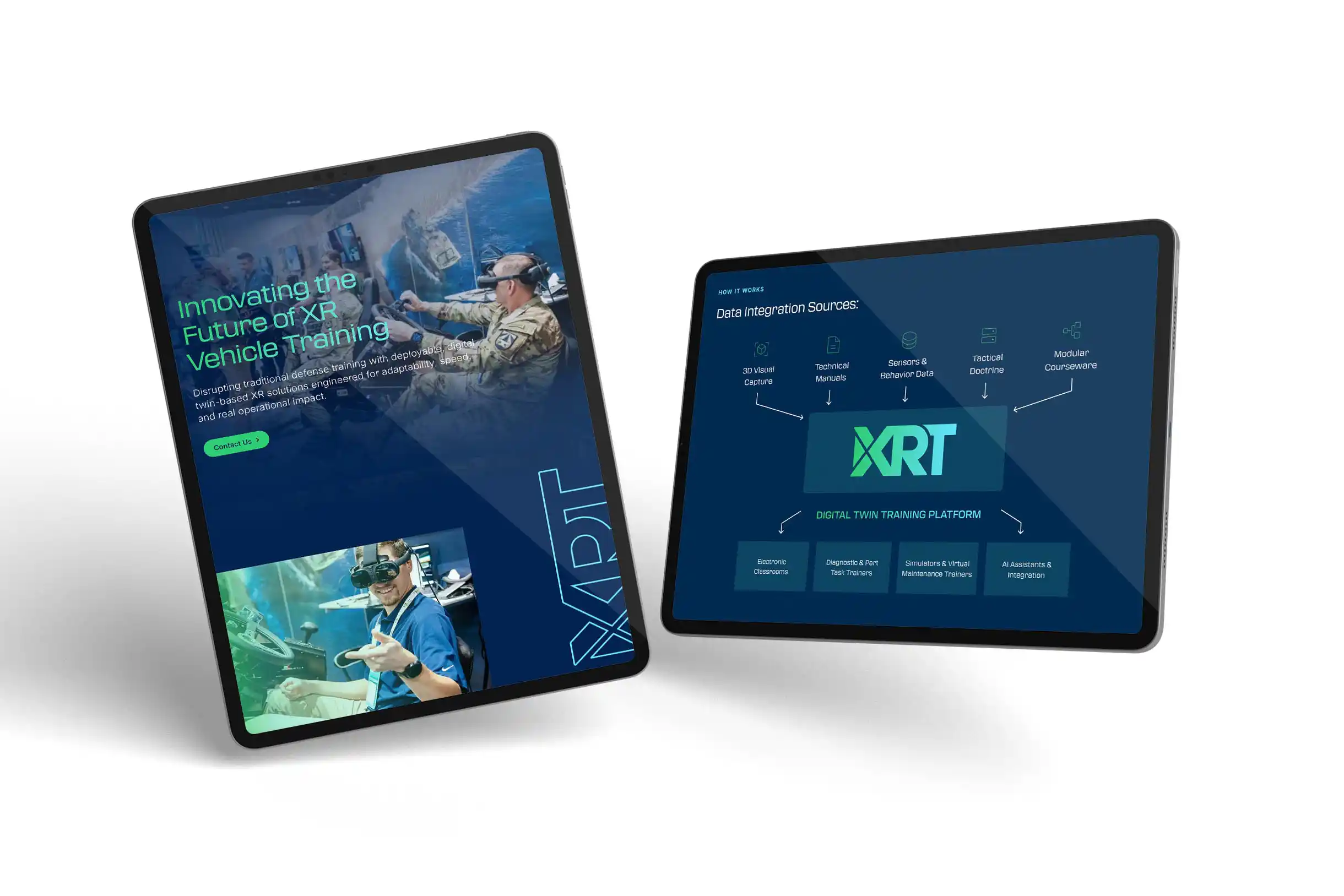
Mobile-first for your startup website design and why it matters
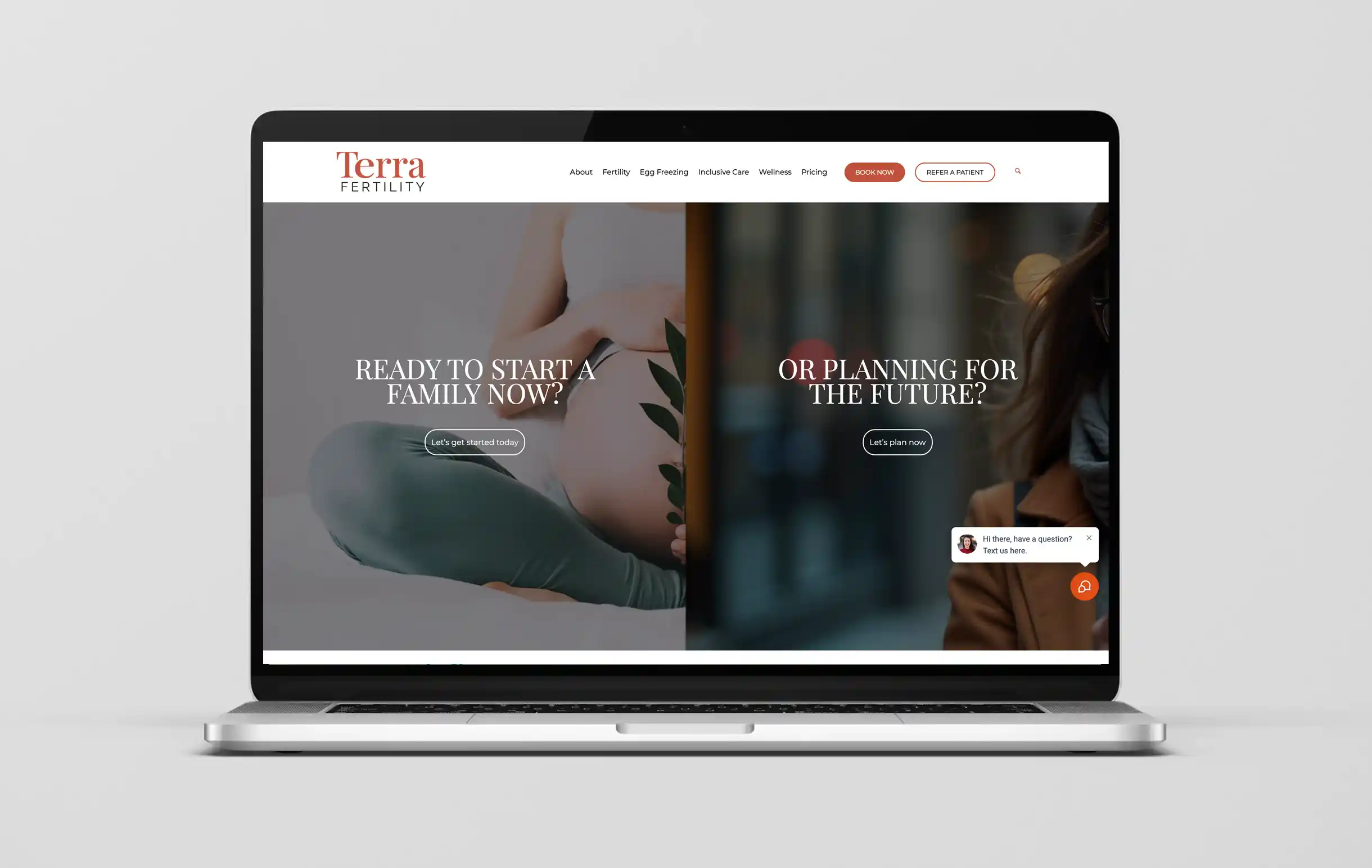
Mobile-first startup website design is now essential for ranking, as Google indexes and ranks sites based on mobile performance. Website design for startups must be “mobile-first.” With more than half of users searching on their phones, ensure your designer understands how to build a mobile-friendly experience. In addition, Google now uses mobile-first indexing, making mobile display and functionality an absolute must for page ranking and AI-generated responses. Top tips include using responsive design, easy-to-use touch navigation, an uncluttered user interface, and fast page load time.
Choosing the right technology for scalability and security
Scalable technology ensures your startup website design can evolve as your company grows, without requiring a full redesign.
Your initial startup website design is only the beginning. Adopt a “continuous improvement” mindset and plan for scalability right from the start. Including some of the items discussed above, such as mobile-first design, other crucial tips include:
Hosting:
One of the most critical steps is selecting a reliable host that can accommodate traffic spikes
Integrations:
Technology should enable integrations that connect external systems, tools, applications and other websites.
Flexibility:
Build your website on a flexible platform such as WordPress that can handle increased traffic and new features.
Security:
With the rise of hackers and ransomware, people value website security more than ever. Implement HTTPS encryption to protect user data and boost credibility.
SEO Foundations for your startup website design
To rank on page one for competitive keywords like “startup website design” and “web design for startups,” your site must be built with strong SEO foundations from day one.
On both the front-end and back-end, follow the best SEO practices. This includes both traditional SEO for ranking on top of search page results and AI-driven SEO. Some of these tips have been discussed above, as they are reflected throughout the site.
Seven of the key elements for SEO are:
- Leverage technology and content that enables Google to access your webpages (crawling) and accurately store them in a database (indexing).
- Create a logical site structure and use internal linking to help users and search engines navigate your site.Use High-quality, keyword-optimized content that follows E-E-A-T (Experience, Expertise, Authoritativeness and Trustworthiness.
- Ensure fast load times.
- Enable integration to seamlessly connect and share information with external software, systems, or platforms.
- Include proper use of metadata, including titles, descriptions and alt tags.
- Off-page SEO should include structured data (schema markup) code that helps search engines interpret content.
- Analytics and tracking are essential for a startup website design.
Track Performance with Analytics and Optimization
Data-driven optimization is what separates average startup websites from high-performing, conversion-focused platforms.
As you’re developing your startup website design, identify the most relevant metrics and how you’ll measure them. Otherwise, it’s impossible to accurately determine how to improve results. Metrics like traffic, bounce rates, conversion rates, and page load speed provide invaluable insights. When you use the right metrics, you can make informed decisions about content, design, and marketing strategies. You can start with free tools like Google Search Console for SEO and Page Speed Insights.
Website design for startups requires accessibility standards
Accessible startup website design not only improves usability but also expands your reach and supports SEO performance.
For startups, web design must include accessibility features. Around 15% of the world’s population, approximately 1 billion people, live with disabilities of all types. Think of all the traffic and conversions you lose when you don’t prioritize accessibility features.
The World Wide Web Consortium (W3C) develops globally recognized accessibility standards. Check that your designer develops the site in accordance with the organization’s Web Content Accessibility Guidelines (WCAG). Also check here for Guidance on Web Accessibility and the ADA (Americans with Disabilities Act).
Ensure legal compliance in your startup’s web design
Compliance builds trust and credibility, which are critical for startup website success and conversion rates.
Make sure your startup website design is legally compliant to avoid fines and penalties. If you are doing business internationally, compliance laws can vary significantly between the US and other countries – especially in terms of data privacy. Here is a basic compliance checklist, but do your due diligence before the site goes live:
- Data Privacy
- Cookies
- Data Security
- Accessibility
- eCommerce Security
- Copyright and Plagiarism
- Content Licensing and Attribution
- Anti-Spam Laws
- Disclaimers
Get the most from your startup website design
The most successful startups treat their websites as growth engines not just digital brochures.
Don’t just jump into your startup website design. Set goals and strategies that align with your business goals and provide a positive user experience. Find the right balance between design, content, and functionality. Ensure the underlying technology has the flexibility needed to evolve with your business.
Your website is a significant investment. Partner with a website design company that takes the time to understand your business priorities. If you’re looking for expert website design for startups that drives traffic, rankings, and conversions, working with an experienced agency can make all the difference.
Join other startup companies that leverage our team’s creativity, knowledge, and experience for success. If you’re ready to design or improve your website, talk to award-winning Ladybugz Interactive.