
9 Practices That Improve Patient Engagement UX (User Experience)
A healthcare website is often the first interaction a patient has with your practice. It shapes first impressions, builds trust, and directly influences whether a visitor becomes a patient.
Today’s patients expect fast, clear, and intuitive digital experiences. If your website feels confusing or slow, they will leave and choose another provider.
A strong healthcare website user experience improves patient engagement, increases appointment bookings, and supports long-term growth.
Why is UX important for healthcare websites?
UX is important for healthcare websites because it helps patients find information quickly, trust your practice, and complete actions such as booking appointments or contacting your office.
Why Healthcare Website UX Matters
Most patients begin their journey online. They research providers, compare services, and evaluate credibility before taking action.
If your website does not meet expectations, you lose that opportunity.
Effective healthcare UX helps:
- Increase patient engagement and time on site
- Improve appointment conversion rates
- Build trust and credibility with patients
- Support inclusive language, accessibility, and compliance
In the end, a better UX leads to more and better patients.
1. Make the Patient Journey Easier
When patients visit your website, they usually have a clear goal: find information quickly and take action.
Common patient goals
- Finding the right healthcare provider
- Understanding available services
- Accessing insurance and payment information
- Booking appointments
Your website should make these actions simple and immediate.
Best practices for healthcare website design
- Clear, intuitive navigation
- Minimal clicks to key pages
- Short, easy forms
- Persistent “Book Now” or “Call” buttons
- Reduced friction across the user experience
- Frictionless booking for sensitive healthcare needs
A fertility clinic website design simplified navigation and reduced its appointment form from 12 fields to 5, resulting in more completed bookings.
What are the most important features of a healthcare website?
The most important healthcare website features include provider bios, service pages, insurance information, appointment booking, patient trust signals, and accessibility features.

2. Build Trust With Patients Immediately
Healthcare decisions require confidence. Patients need to feel safe before taking the next step. Your website should communicate credibility within seconds.
Key trust elements
- Provider bios with credentials and experience
- Patient reviews and testimonials
- Real, high-quality photography
- Certifications and affiliations
- Visible privacy and security indicators
On healthcare websites, trust is essential. Physicians have only a few chances to make a strong first impression.
3. Use Clear, Patient-Focused Content
Patients do not read most websites word-for-word. They scan for answers. If your content is unclear or overly clinical, they will leave.
How to optimize healthcare website content
- Use plain, conversational language
- Break information into sections
- Highlight services, hours, and locations
- Answer common patient questions
Clear content improves engagement and supports SEO performance.
4. Optimize for Mobile-First Experiences
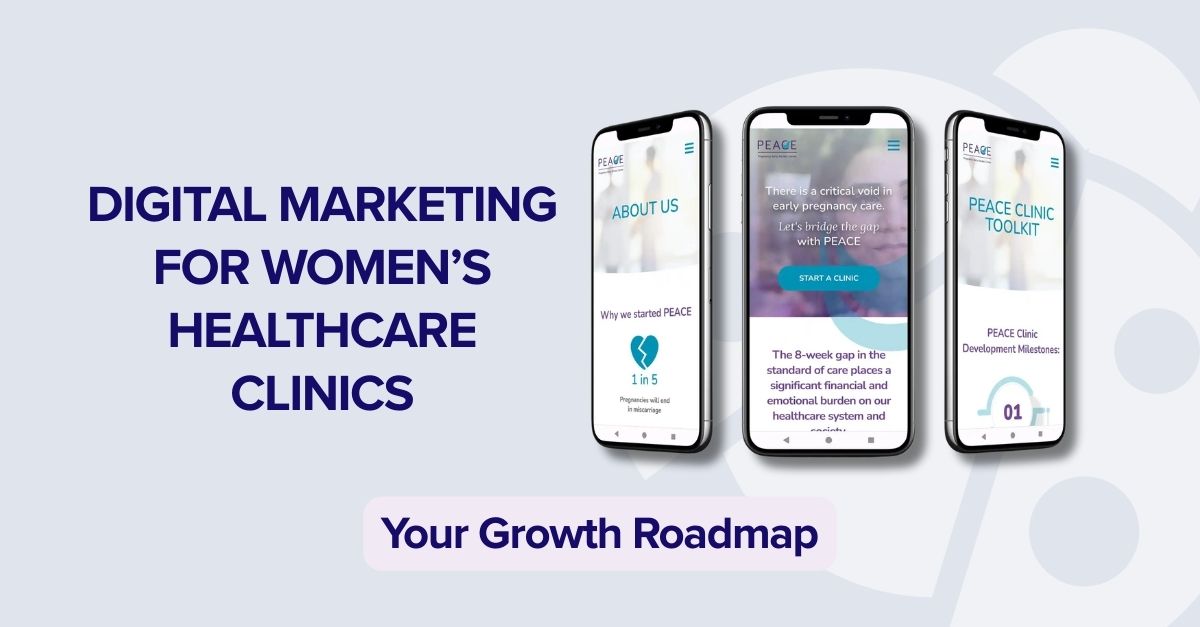
Most healthcare searches now happen on mobile devices. Your website must perform seamlessly on smaller screens.
Mobile UX essentials
- Fast load times under three seconds
- Click-to-call functionality
- Thumb-friendly navigation
- Simple appointment booking
- Fully responsive design
Mobile usability directly impacts both search rankings and patient conversions.
How does healthcare website UX affect SEO?
Healthcare website UX affects SEO by improving site speed, structure, mobile usability, and engagement signals, all of which support stronger search visibility.
5. Use Strong Calls to Action
Patients need clear direction. If they do not know what to do next, they will not take action.
Effective calls to action
- Request Information
- Book an Appointment
- Call Now
- Contact Us
Place CTAs prominently across your site, including headers, service pages, and key content sections.
6. Prioritize Accessibility and Compliance
Healthcare websites must be accessible to all users. Accessibility also improves usability and search performance.
Accessibility best practices
- High color contrast
- Readable font sizes
- Alt text for images
- Keyboard-friendly navigation
- Screen reader compatibility
Accessible design helps ensure every patient can interact with your website.
7. Streamline the Appointment Booking Process
Booking is the most important conversion point on your website. A complicated process can cause patients to abandon it.
How to improve booking UX
- Reduce required form fields
- Offer online scheduling
- Provide clear confirmation steps
- Ensure mobile-friendly forms
Convenience plays a major role in patient decision-making.
What makes a healthcare website user-friendly?
A user-friendly healthcare website has clear navigation, fast load times, mobile responsiveness, simple forms, accessible design, and strong calls to action.
8. Use Visual Design to Support Patient Comfort
Healthcare decisions can feel stressful. Your website design should create a sense of calm and confidence.
Effective visual elements
- Clean, uncluttered layouts
- Calm, professional color palettes
- Real imagery that reflects your patients
- Consistent branding and typography
A women’s health clinic improved engagement by replacing generic stock imagery with real patient-focused visuals and adding provider introduction videos.

9. Align UX With SEO, AEO, and GEO
User experience and search visibility are closely connected. Search engines prioritize websites that are fast, structured, and easy to navigate.
Modern optimization includes
- SEO for organic rankings
- AEO for featured snippets and direct answers
- GEO for AI-generated search results
- Local search for “near me” visibility
Well-structured content improves both user experience and discoverability. Learn more about SEO, AEO, and GEO.
UX Drives Patient Engagement and Growth
A high-performing healthcare website is built around the patient experience.
When your website is clear, fast, and easy to use, patients are more likely to engage and take action. This leads to higher conversion rates, stronger trust, and long-term growth.
Healthcare organizations that invest in user experience create digital platforms that consistently attract, engage, and convert patients.