
A nonprofit website is no longer just a place to share your mission. It is where people decide whether to support it.
Before someone donates, attends an event, or reaches out, they visit your nonprofit’s website. In that moment, they are asking a simple question:
Do I trust this organization enough to take action?
If your nonprofit’s website feels outdated, confusing, or difficult to navigate, you have lost that moment of trust.
Today’s users expect a modern website with a fast, clear, and intuitive digital experience. Site visitors are comparing your organization not only to other nonprofits, but to every seamless experience they have online. If your website creates friction, they will leave.
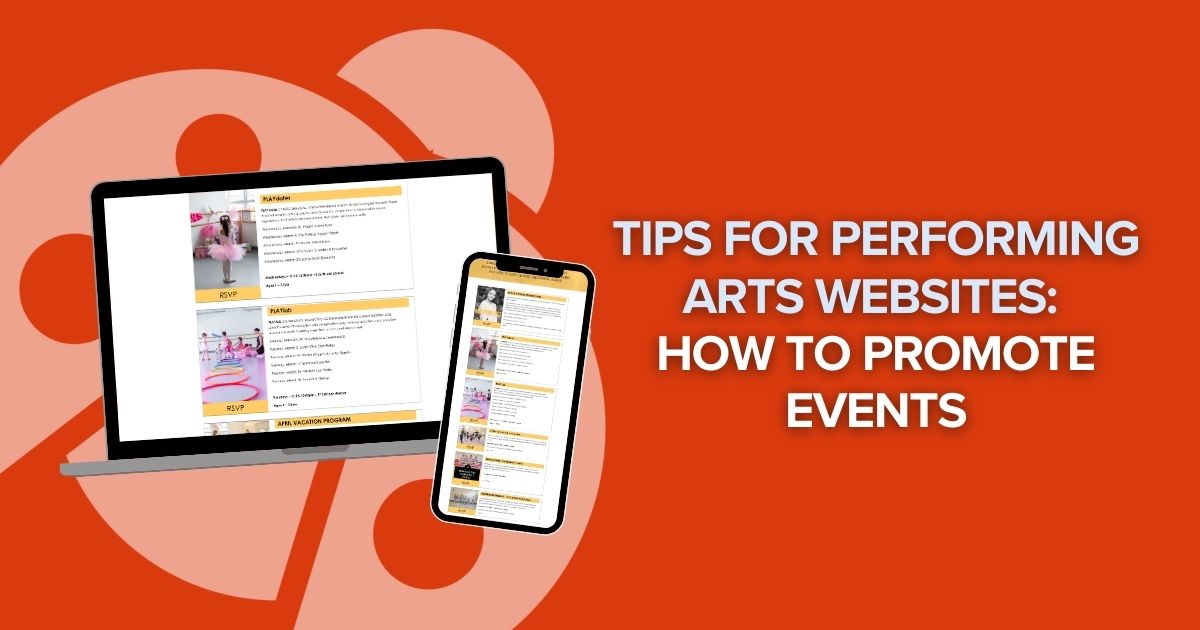
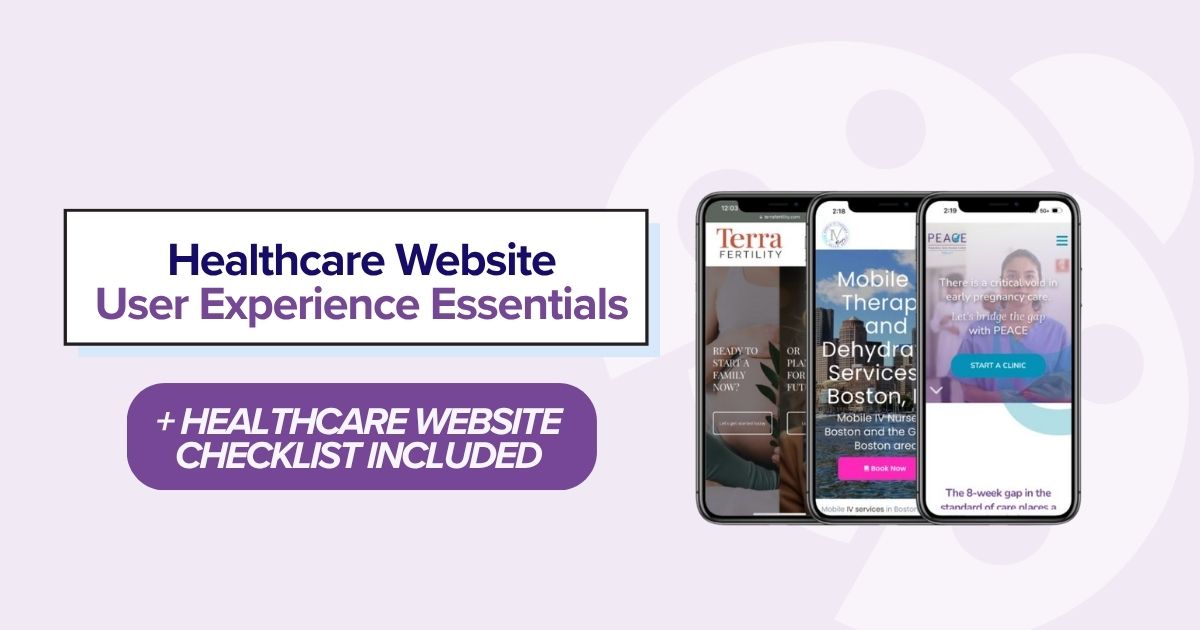
From performing arts organization websites to healthcare and recovery nonprofit websites, the challenge is the same: turning mission-driven interest into meaningful action.
The most effective nonprofit websites do three things well:
- Build trust immediately
- Make engagement effortless
- Guide users toward meaningful action
When these elements come together, your website becomes more than a digital presence. It becomes a powerful tool for driving donations, increasing participation, and strengthening community impact.

Why Nonprofit Websites Fail to Drive Donations
Many nonprofit websites are built to inform, while real user experience work is not put into driving donations. Websites often prioritize sharing information over guiding users toward action and believe that improving donations is as simple as adding a button at the top of the page.
In trying to speak to everyone at once, these sites become cluttered and difficult to navigate. Messaging becomes diluted, and key actions like donating or getting involved are harder to find than they should be.
At the same time, nonprofits naturally serve multiple audiences:
- Donors looking for impact and transparency
- Community members looking for programs or events
- Volunteers and partners looking to engage
Without clear navigational pathways, these audiences end up competing rather than converting. Users are left searching, second-guessing, or leaving altogether.
The result is familiar:
- Low engagement
- Missed donations
- Frustrated users
Your website should not feel like a brochure. It should feel like a guided experience built around how people actually behave online.
Factors That Drive Donations on a Nonprofit Website
In most nonprofit sectors, from healthcare to the arts, the same core principles consistently drive higher engagement and stronger donation performance.
1. Create a Seamless Donation Experience That Increases Conversions
Giving should feel easy in the moment it matters most. When someone is ready to donate, even small barriers can interrupt that decision.
If users encounter long forms, unclear steps, or too many clicks, they abandon the process. Reducing friction directly improves conversion rates.
Best practices include:
- Minimizing required fields
- Offering multiple payment options
- Ensuring mobile-friendly forms
- Providing clear confirmation steps
Small improvements here can lead to meaningful increases in donations.
2. Build Trust With Nonprofit Website Design and Content
Nonprofit decisions are driven by emotion, but supported by trust. Visitors need to feel confident in your organization almost immediately.
Your website should communicate credibility through:
- Real imagery and authentic storytelling
- Testimonials and demonstrated impact
- Leadership visibility and transparency
- Clear, mission-driven messaging
Users are not just asking what you do. They are asking whether they believe in it.
3. Use Clear Calls to Action to Increase Donations and Engagement
Even when users feel connected to your mission, they still need direction. Without it, interest rarely turns into action.
Strong nonprofit websites guide users with clear and consistent calls to action, such as:
- Donate Now
- Get Involved
- Attend an Event
- Volunteer
These should be visible throughout the site, helping users take the next step without hesitation.
4. Design a User Experience for Donors, Volunteers, and Community Members
Every nonprofit serves a range of audiences, and each arrives with a different goal.
A well-structured website makes it easy for each audience to find what they need quickly:
- Donors seeking impact and giving opportunities
- Community members looking for programs or events
- Partners and stakeholders are evaluating credibility
When a website reflects those audiences’ behaviors, it becomes easier to navigate, easier to trust, and more effective at driving engagement and donations.
Nonprofit Website Design Examples Across Various Different Industries
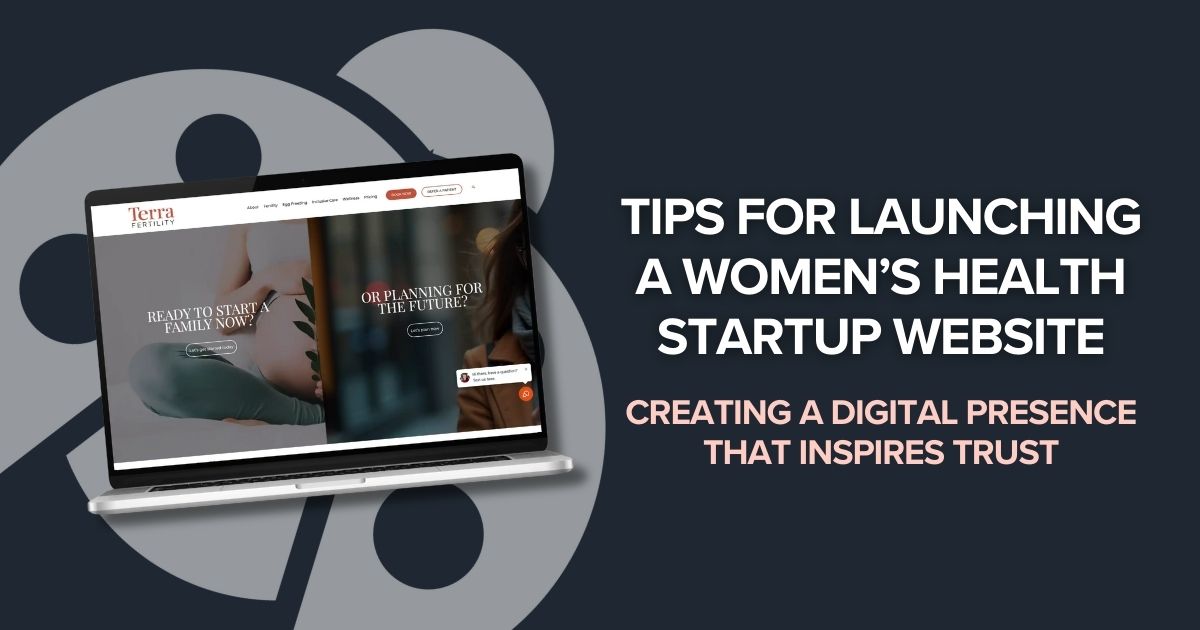
While nonprofit missions vary, the digital challenges are often the same. These examples show how thoughtful design and strategy can support different types of nonprofit organizations.
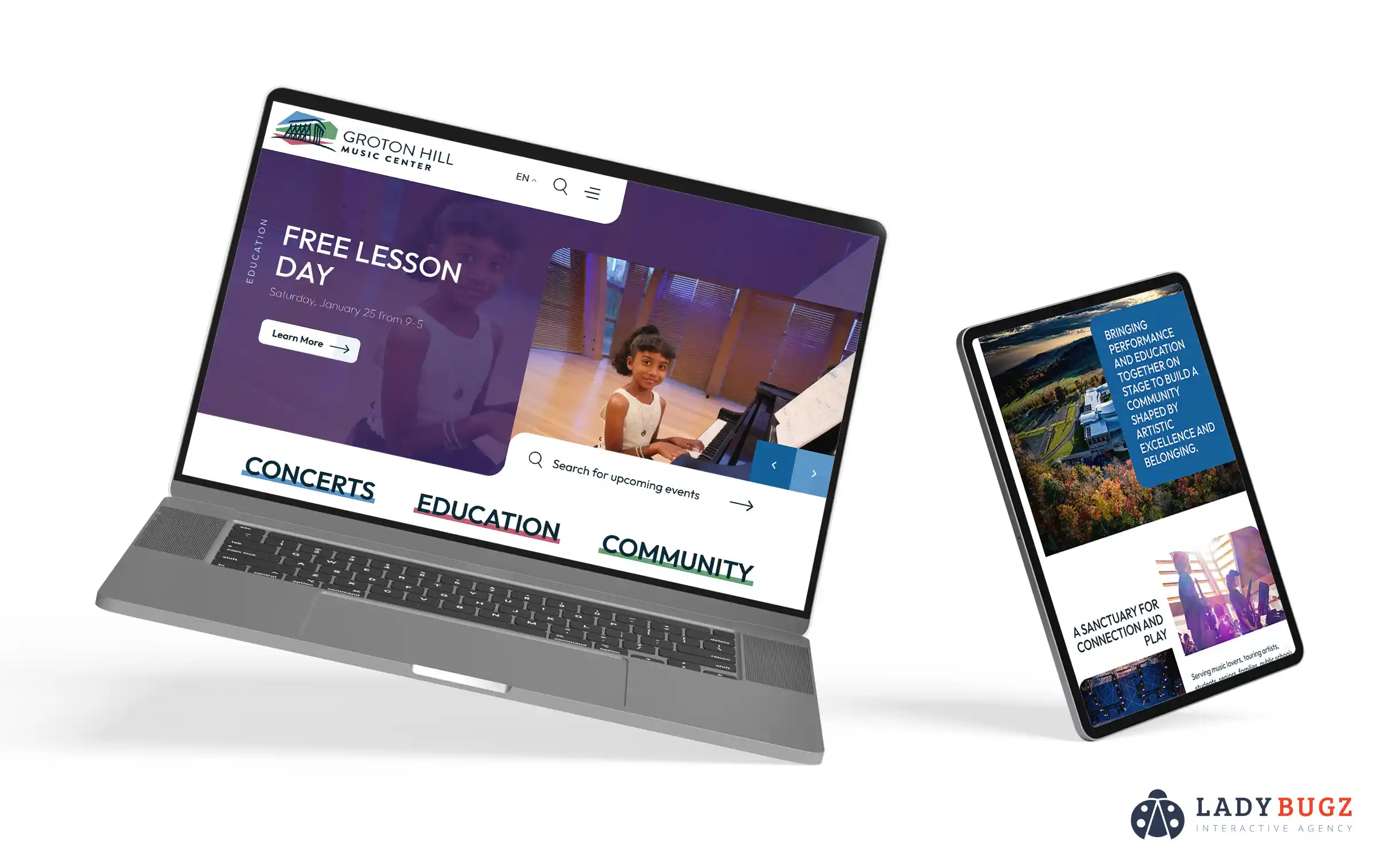
Groton Hill Music Center: Nonprofit Website Design for Multiple Audiences
Like many nonprofits, Groton Hill serves a wide range of audiences, including concertgoers, students, donors, and community partners.
The website redesign focused on simplifying navigation and creating clear pathways to key actions such as buying tickets, registering for classes, and donating.
The result was a more intuitive experience that improved usability while strengthening engagement and community connection.
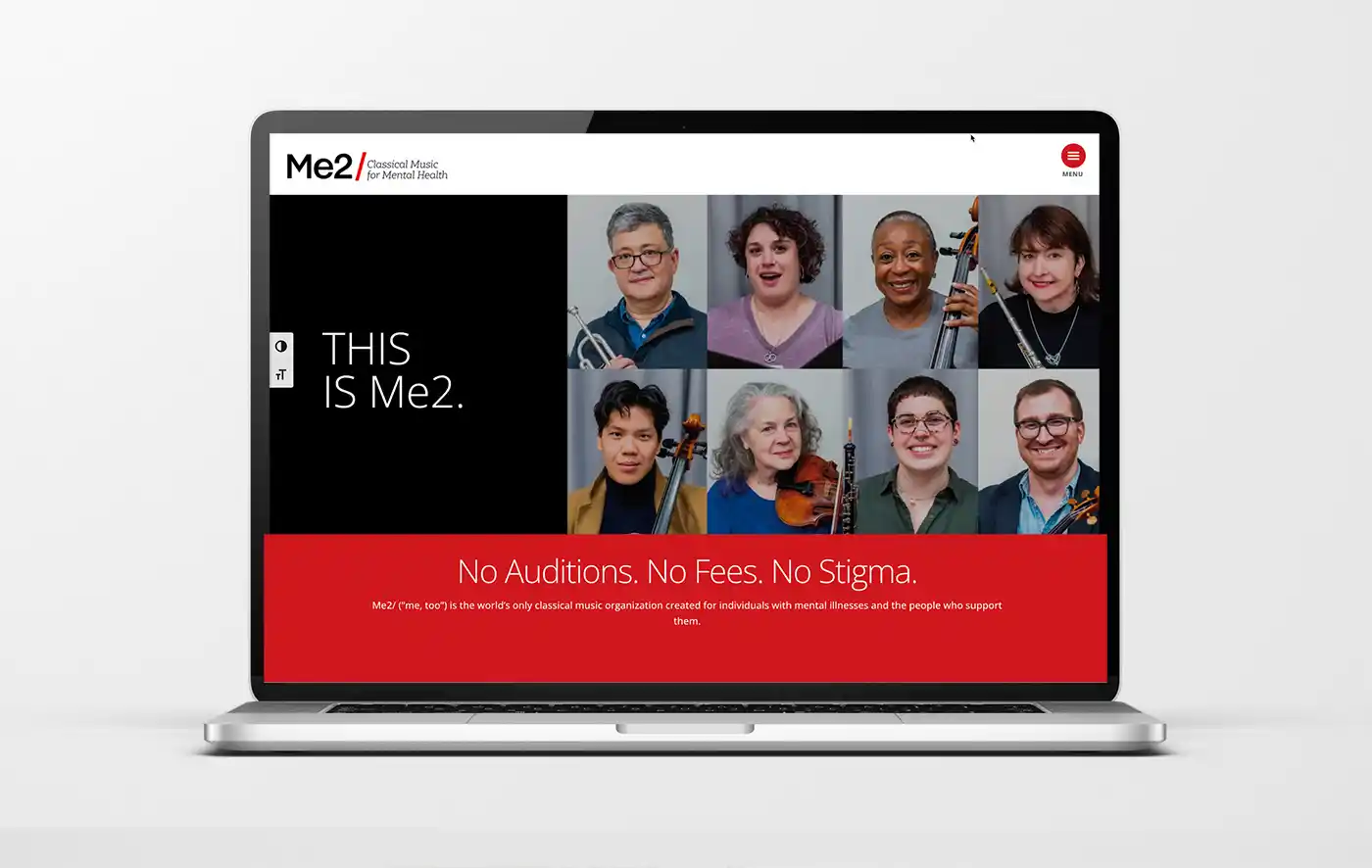
Me2 Orchestra: Improving Nonprofit Donations With Better UX
As a mission-driven nonprofit, Me2 needed to balance budget constraints with the need to increase visibility and donations.
The solution focused on simplifying the donation process and creating a clean, accessible experience that made it easy for users to engage and contribute.
By reducing friction and improving usability, the website now better supports the organization’s growth.
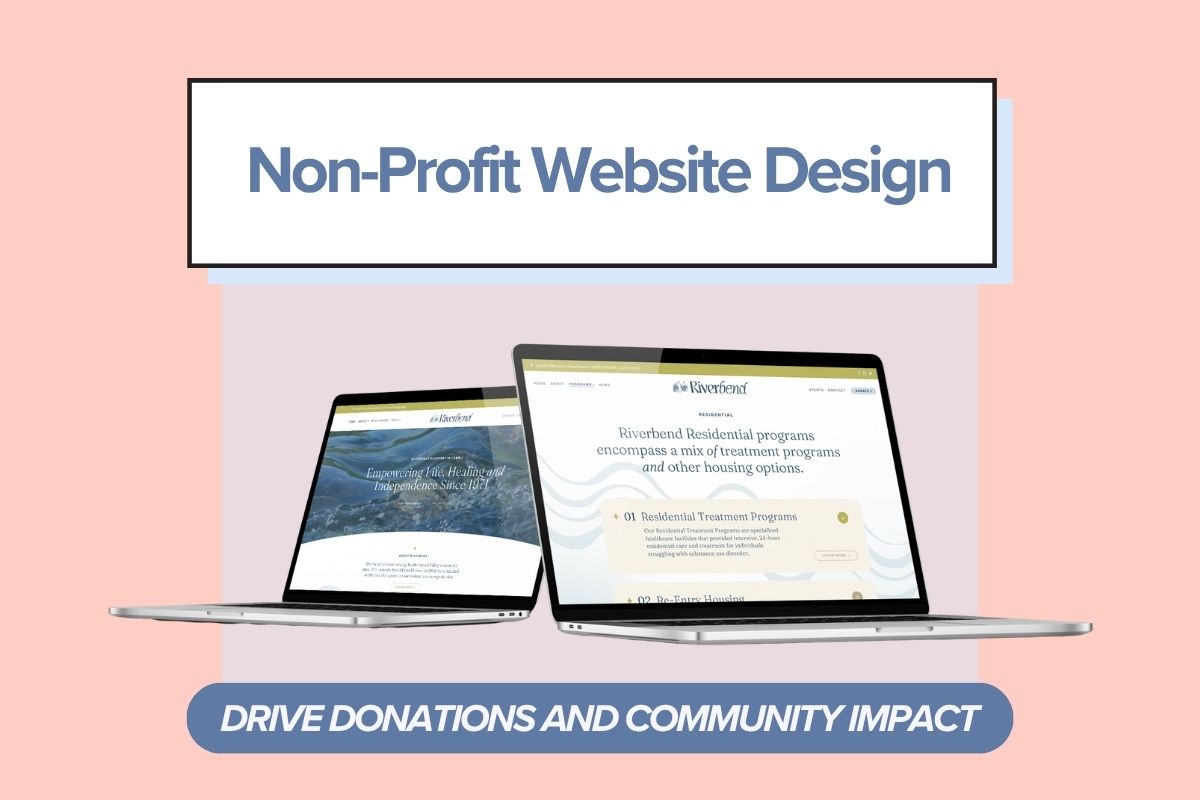
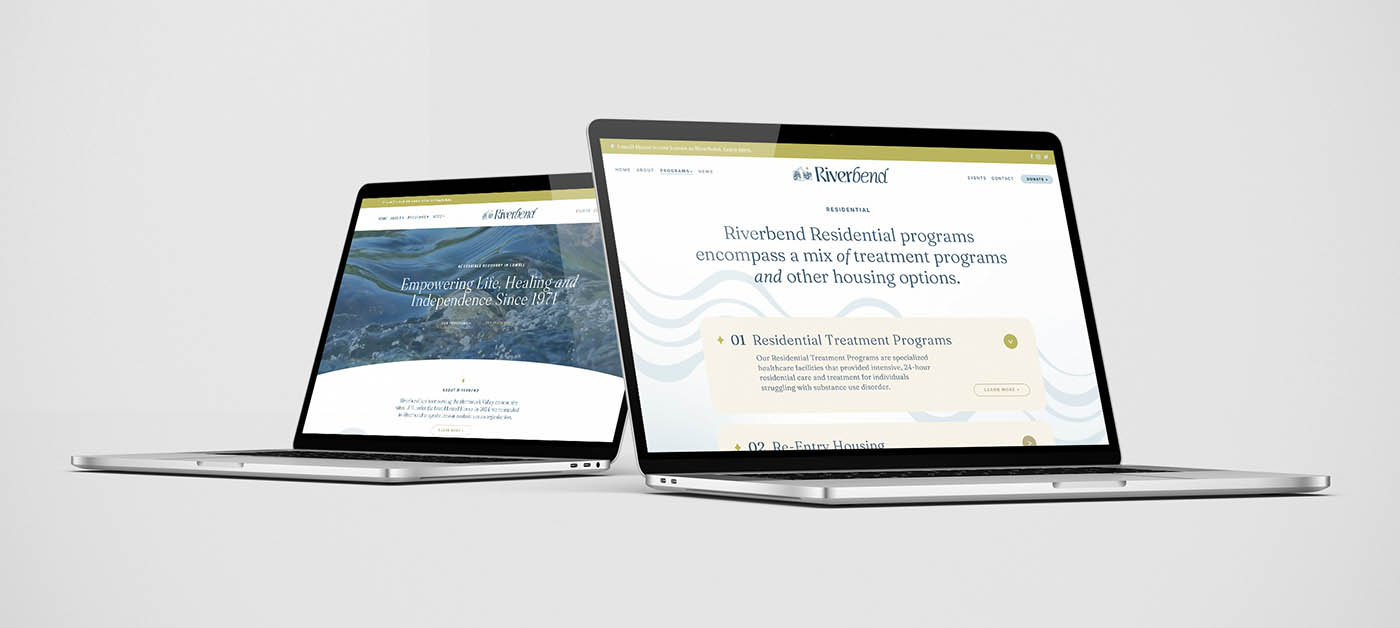
Riverbend: Nonprofit Branding and Website Design That Builds Trust Through Storytelling and Brand
As a long-standing nonprofit organization, Riverbend needed a brand and website that could reflect both its history and its expanded impact.
The rebrand and website redesign created a more approachable and emotionally resonant experience, helping users connect with the organization’s mission.
This strengthened trust and positioned the organization for continued community impact.
How Content Strategy Improves Nonprofit Website Engagement
Content plays a critical role in how users connect with your nonprofit. It should not just inform, but create a sense of meaning and involvement.
High-performing nonprofit websites use content to highlight:
- Real stories and measurable impact
- Programs and ongoing initiatives
- Community partnerships and engagement
When users feel connected to your mission, they are far more likely to donate, participate, and share.
SEO for Nonprofit Websites: How to Increase Visibility and Donations
Even the most thoughtfully designed website needs visibility to perform.
To improve your nonprofit’s visibility, focus on:
- Search engine optimization (SEO)
- Local search visibility
- Structured, question-based content
Many users begin their journey with searches like:
- Nonprofits near me
- How to support a cause
- Volunteer opportunities in your area
Optimizing for these searches helps attract users who are already motivated to take action.
Best Tools for Nonprofit Fundraising and Donor Management
As nonprofits grow, many invest in tools to better understand and engage their supporters.
Platforms like Kindsight, DonorPerfect, and EverTrue can support:
- Donor tracking and engagement
- Donor payment processing
- Fundraising campaign management
- Data-driven decision making
These tools are most effective when paired with a strong, user-focused website.
How to Design a Nonprofit Website That Drives Real Impact
A nonprofit website is one of your most powerful assets when it is built with intention.
- Increase donations
- Strengthen community engagement
- Support long-term growth
Your website should not just tell your story. It should move people to be part of it.
Tow to Turn Your Nonprofit Website Into a Donation Engine
A high-performing nonprofit website is intentionally designed to guide users from interest to action.
To do this effectively, your website should:
- Remove friction at key conversion points
- Reinforce trust throughout the experience
- Present clear, consistent calls to action
- Use storytelling to create emotional connection
Your website is where the decision happens.
When it is built with strategy and intention, it can consistently drive donations and engagement.
Nonprofit Website Design Services That Drive Results
At Ladybugz Interactive, we specialize in nonprofit website design across industries, including arts, healthcare, and community organizations.
We design websites that are built to perform, helping you connect with your audience, increase donations, and expand your impact.
Let’s build a website that works as hard as you do.