
The future of digital marketing for small businesses is ever-evolving. Well, “an evolving path” is too mild a term. The future is more like a race at breakneck speed. Significant digital marketing transformations are rapidly developing, including intelligent search, AI, and omnichannel customer journeys.
Small companies that don’t modernize risk being left behind. To avoid obsolescence, they must adjust their digital marketing strategies.
The pace of change can be overwhelming, but this article breaks it down into bite-sized, usable chunks. Let’s discuss what’s changing and how you can stay ahead.
The rules of digital marketing for small business are changing
Traditional organic SEO tactics fall short. When it comes to digital marketing for small businesses, gaining a top-ranked search result is a difficult slog. Generally, they have relied on two main strategies. The first is dropping keywords into web pages and blog posts, hoping for top-ranked organic results, and waiting for clicks. The second is placing Google PPC ads.
While strong SEO strategies work in 2026, many older ones fall short. Also, there are more possibilities today than many businesses are aware of, especially for AI results. Three primary illustrations are mobile-first indexing, AI-driven results, and omnichannel journeys. We can look at each of these in turn.
What is digital marketing for small businesses?
Digital marketing for small businesses refers to using online channels, such as search engines, websites, social media, email, and AI-driven platforms, to attract, engage, and convert customers. Unlike traditional marketing, digital marketing allows small businesses to target specific audiences, measure performance in real time, and compete effectively without massive budgets.
Is SEO still worth it for small businesses in 2026?
Yes, SEO is still essential, but it has evolved. Modern SEO focuses less on keyword stuffing and more on answering real user questions, optimizing for mobile and AI results, and aligning content with search intent. Small businesses that follow these updated SEO principles can earn visibility in AI overviews, featured snippets, and voice search results.
Digital marketing for small business basics: Mobile-first indexing
What is mobile-first indexing, and how does it affect my website?
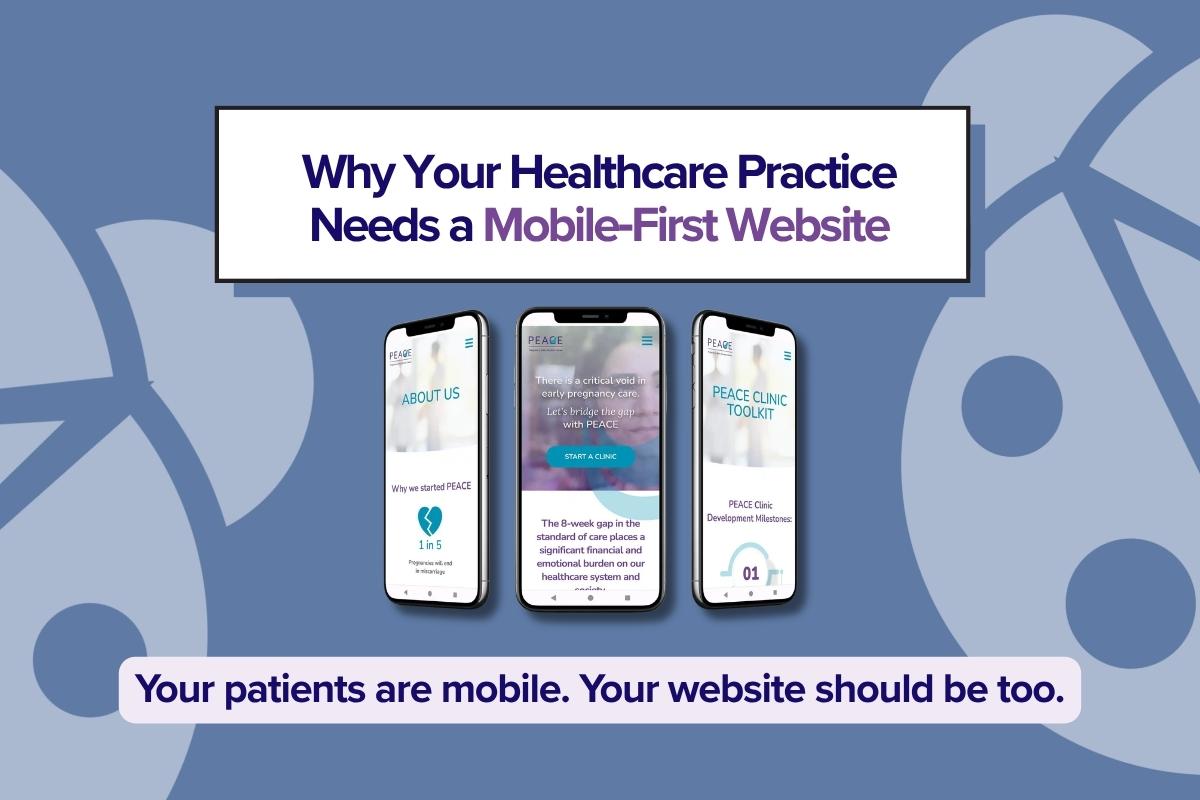
Mobile-first indexing means Google primarily evaluates your website based on its mobile version, not desktop. If your site is slow, hard to navigate, or poorly formatted on mobile devices, it can negatively affect rankings, engagement, and conversions—especially since most searches now happen on phones.
On the whole, over 60% of searches occur on mobile devices in the U.S. Mobile-first optimization is not actually the future of digital marketing for small business. It’s already here. Mobile-first has been Google’s default for crawling and indexing since 2023.
If your website isn’t optimized for mobile, make this a top priority. The results include improved user experience, greater access, higher search engine rankings, and higher conversion rates.
Here are some priority activities for mobile-first optimization:
- Optimize for speed with compressed images, code minimization, and content delivery networks
- Use a responsive design for proper display on small devices
- Create streamlined, thumb-friendly touch navigation
- Use clear, legible fonts with adequate contrast
- Prioritize the most important content for top-of-page visibility
Digital marketers at small businesses must shoot for zero-click search results
What is zero-click search, and why does it matter for small businesses?
Zero-click search occurs when users receive answers directly on the search results page, often through AI summaries or featured snippets, without clicking through to a website. For small businesses, this means visibility now depends on clear, well-structured content that search engines and AI tools can easily summarize and display.
Here’s another important question when talking about the future of digital marketing for small business: What’s at the top of Google’s search pages? The answer is often not the top-ranked organic result (position #1). AI Overviews and snippets are increasingly found in “position zero” above organic results.
AI overviews are also taking a serious bite out of PPC results, with many ads also falling below AI overviews. In addition to visibility issues, some searchers are satisfied with AI’s zero-click information alone and don’t even bother scrolling down to traditional organic results (or look at ads).
The issue for small businesses related to the future of digital marketing is how to get featured in zero-click results, voice results, and chat. First, forget about keyword stuffing.
How can small businesses optimize for AI and voice search?
Small businesses can optimize for AI and voice search by writing content in natural language, answering questions clearly, using FAQ and how-to formats, and structuring pages with descriptive headers and concise answers. This helps content appear in AI overviews, voice assistants, and zero-click results.
- Answer real user questions clearly and completely using natural, conversational language.
- Create structured content that AI systems can easily extract and summarize key information.
- Use descriptive headers, short paragraphs, bullet points, and more.
- Use quick-and-easy formats such as FAQs and How-to steps.
- Include semantically related terms, concise definitions, and direct answers to common queries.
User intent is central to the future of digital marketing
Most small businesses already know that the future of digital marketing and search isn’t about exact-matching keywords. This is especially true for AI-driven search results derived from machine learning natural language processing. Generic keywords have given way to the concept of search intent (or keyword intent). This requires identifying what searchers want to achieve after they conduct a specific search—and aligning content with this intent.
What is search intent, and why does it matter for digital marketing?
Search intent refers to what a user is trying to accomplish when they perform a search—whether they want information, to compare options, or to make a purchase. Aligning content with search intent helps small businesses attract the right visitors, improve engagement, and convert traffic into leads or customers.
There are four types of search intent:
- Informational intent: Seeking information or knowledge, such as a “what is” search
- Navigational intent: Trying to find a specific website
- Commercial investigation: Comparing options for a future transaction
- Transactional intent: Making a purchase or hiring a service
In short, aligning content with search intent is essential. This has everything to do with the future of digital marketing for small businesses. How? When you design content for search intent, you can rise above the competition in visibility, traffic, engagement, and conversions.
Here are six practical ways to write content that aligns with search intent:
- Determine intent type, and align your content format, depth, and CTA with it
- Mirror the natural phrasing from the keyword in your headings and opening sentences
- Answer the core question within the first 100 words to show relevancy
- Structure content (FAQ, how-to steps, etc.) based on the intent and decision stage
- Include next-step actions that match intent (downloads, comparison tables, clear CTAs, etc.)
- Create content that is concise, factual, trustworthy, and modified for local intent
Develop omnichannel customer journeys for a seamless user experience
Welcome to the future of digital marketing, where small business customers are comfortable with multiple channels: conversational chatbots, voice assistants like Alexa, voice recognition on smart phones, social media, and more—often together or in quick succession. Regardless of their devices or channels, they want a consistent, seamless experience.
Ask yourself if your digital channels operate in silos or if they work together as one unified system. Small businesses committed to their future digital marketing success should focus on unifying their channels—for their customers and themselves.
Five benefits of omnichannel excellence to small business and local customers
- A consistent look, message, and service quality across websites, social media, email, mobile apps, in-store, and support channels
- Tailored offers, recommendations, and content based on behavior and preferences
- No friction when switching to different devices or channels
- Reliability and consistent communication
- Interaction through their preferred channel at any time
Five benefits of omnichannel excellence to small businesses
- Higher conversion rates, repeat purchases, higher loyalty, and longer time on the site
- Unified messaging for higher brand recognition and authority
- A complete view of customer behavior through centralized data across channels
- Reduced customer acquisition costs through higher retention and lower dependence on ads
- Outperforming competitors by delivering smooth, connected user experiences
What does this mean for digital marketing efforts for small businesses
Small businesses focused on the future of digital marketing are better positioned for success in 2026. This may require shifting strategies, but we all have budgets and resources to consider. You can start by making small changes, such as updating web pages, and then building up activities over time.
It comes down to the willingness and ability to start now, rather than wait a few years. After all, another two years down the road will be different, making it even harder to play catch-up.
What action steps will help you prepare for digital marketing now and in the future?
There is no single set of rules to follow because each company is unique. At the same time, the action steps below will help small companies prepare for the future of digital marketing:
- Website audit: First, audit your website for speed, mobile usability, and local SEO.
- Mobile-first optimization: Prioritize mobile-first website performance by improving page speed, UX, and accessibility to meet modern user expectations.
- Content refresh: Update older blog content with clearer answers and better visuals.
- Optimize for AI and voice search: Create natural-language, question-based content that matches how people speak to search engines, mobile voice recognition, and AI assistants.
- Build an omnichannel presence: Integrate email, social media, search, and website messaging into a seamless customer journey.
- Track user behavior: Gain insights into customer behaviors using tracking and analytics tools, and then refine messaging and design.
- Invest in AI-powered marketing tools: Improve efficiency by automating elements of content creation, personalization, and customer service.
- Automation: Automate simple tasks like email follow-ups and chat responses.
The future of digital marketing for small businesses
The future of digital marketing for small businesses means adapting to inevitable changes already underway. Are you ready for mobile-first optimization, AI-driven results, user intent search, and omnichannel user journeys? Ultimately, small businesses that embrace these shifts will not only survive but outpace the competition.
Ladybugz Interactive Agency’s specialty is partnering with local small and growing businesses that need to take the next step forward. Our experts elevate our clients’ brands with forward-looking digital strategies that make the most of your budget and resources.