
Web development for biotech companies: Why you need it.
Biotech web development in 2026 requires far more than a visually attractive website. Early-stage and growing life science companies require strong security and regulatory compliance.
Companies need high-performance websites that clearly communicate complex science while supporting investors, partners, and recruitment. They also need the technical infrastructure to support these goals. A modern biotech website must balance technology, science, and discoverability so both humans and AI platforms can find and interpret the content.
The most successful biotech websites combine strong design with technical systems that support scientific communication, investor engagement, regulatory compliance, and long-term scalability.
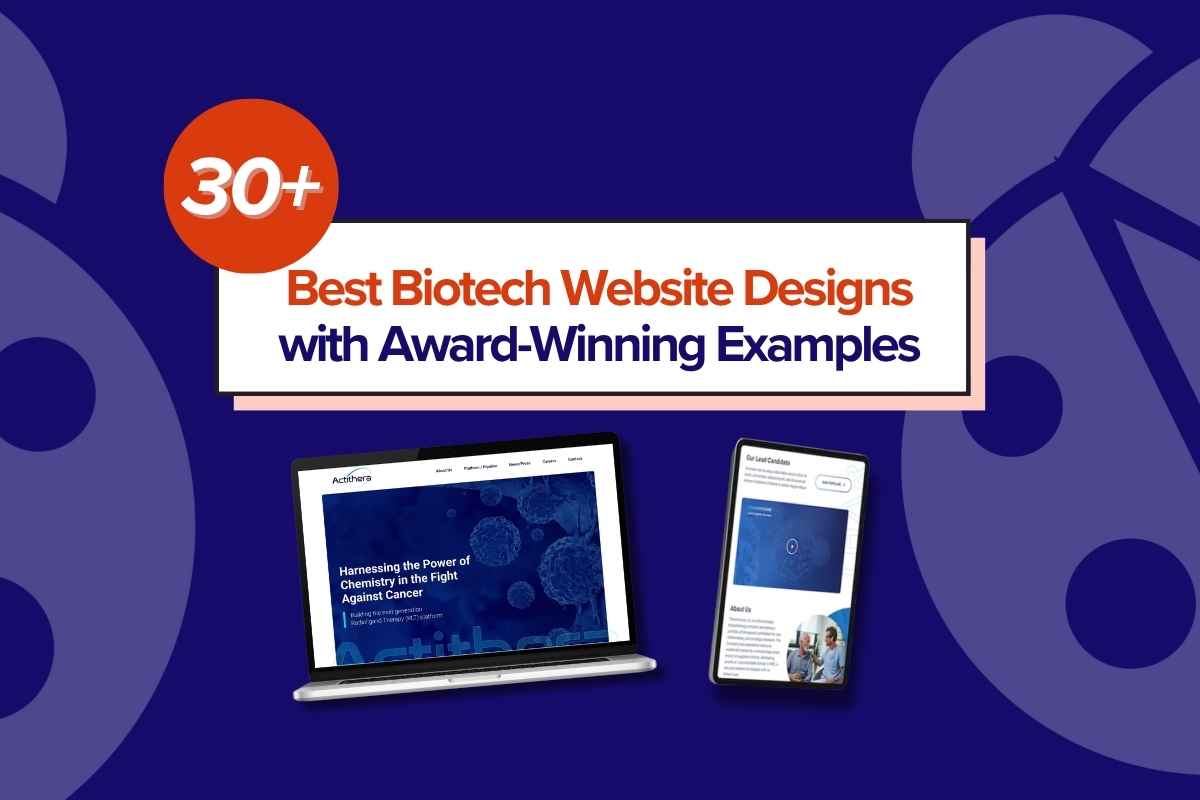
Below are 10 technical features every life science website should include in 2026.
1. Biotech Website Protection
Strong website security is one of the most important aspects of biotech web development. When working with proprietary research, sensitive partnerships and intellectual property, security cannot be overlooked.
Even if confidential data is not hosted directly on the website, visitors still expect strong digital security practices. Security flaws can affect users if a site is hacked or infected with malware.
Security measures for biotech web development should include:
Secure HTTPS hosting with SSL certificates
Encryption protects information transferred between visitors and the website and builds trust with investors and partners.
Web application firewall (WAF)
A firewall filters malicious traffic and protects the website from hacking attempts.
Regular vulnerability scanning
Routine scans identify weaknesses in website software before they can be exploited.
Website security monitoring
Continuous monitoring detects suspicious activity and unauthorized code changes.
Automatic website backups
Daily backups allow the site to be restored quickly if problems occur.
Two-factor authentication
Two-factor authentication provides an extra layer of login protection and helps prevent unauthorized access.
Carefully managed CMS permissions
Website access should be limited to team members who require it. Too many administrators can create security risks and increase the chances of plugin or code conflicts.
By adhering to strict security practices, biotech companies build a strong technical foundation for their websites.
2. Privacy Policies and Regulatory Compliance
Biotech organizations collect personal data through many different website actions. Recruiting forms, investor inquiries, and contact forms all collect user information.
As global privacy regulations evolve, biotech website design must handle this data responsibly and implement best practices for data protection.
Current compliant biotech web design development requires companies to have:
Cookie consent management
Visitors must be informed about tracking technologies and given the ability to manage consent.
Clear privacy policies
Policies should explain how data is collected, used, and protected.
Terms of use
Terms of use explain how visitors may interact with the website and provide legal protection.
Data tracking transparency
Visitors should understand how analytics tools collect behavioral data.
Secure form handling
Forms must protect submitted information while preventing spam.
Compliance practices protect the organization while building trust with visitors.
3. An Inclusive Website Accessible to Everyone
Biotech companies researching diseases and disabilities have an increased responsibility to ensure digital accessibility for the audiences they aim to serve.
Accessibility ensures people with disabilities can navigate and interact with the website effectively. It is increasingly required by law and expected by users.
All biotech websites should follow WCAG accessibility standards. Many of these standards require specialized web development knowledge.
Examples of accessibility requirements include:
- Screen reader compatibility
- Accessible and intuitive navigation structures
- Strong color contrast across the website
- Keyboard navigation support
- Alt text describing images
- Accessible PDFs and downloadable materials
Accessibility improvements not only enhance usability but also reduce the risk of legal challenges related to ADA compliance. Accessibility is no longer a biotech web design trend; it is a biotech web design requirement.
4. AI-Driven Technical SEO: An Essential part of Biotech Web Development
AI-driven search and technical SEO are essential components of modern biotech web development. AI discovery tools rely on structured data, organized content and clean coding to interpret websites.
Key SEO and AI foundations for modern biotech websites include:
- Clean website architecture
- XML sitemaps
- Structured metadata
- Semantic heading structure
- Internal linking between key pages
- Schema markup for structured data
- Question-and-answer style content
- Page summaries
These technical biotech web development features help ensure both search engines and AI platforms can interpret and surface biotech websites correctly.

5. Delivering a Lightning Fast Website Experience
Most users now access websites on mobile devices. Biotech companies often have only a few seconds to capture a visitor’s attention. A fast-loading website with clear information architecture and messaging is essential for retaining visitors.
Many biotech websites include complex visuals such as animations, videos, and scientific diagrams. Without speed optimization, these assets can slow performance.
Important performance strategies include:
- Google Core Web Vitals optimization
- Proper image sizing and compression
- Lazy loading for non-critical elements
- Content delivery networks (CDNs)
- Efficient front-end code
- Mobile-specific optimization
Fast websites improve both user experience and search engine rankings.
6. Interactivity to Explain Complex Science
Communicating complex science clearly is one of the most important goals for a biotech website. Organized information architecture helps visitors navigate scientific content logically and understand both the science and the strategy.
Many biotech websites use interactive elements to improve comprehension.
- Types of interactivity on a life sciences website could include:
- Platform technology pages explaining the company’s scientific approach
- Pipeline overview pages that show drug development progress
- Individual program pages with charts and progress indicators
- 3-D molecular animations showing drug-target interactions
- Publications, libraries, and searchable research databases
- Clinical trial information pages
- Leadership and advisory board profiles with interactive biographies
Interactive design elements help translate complex biology into a clear and engaging narrative.
7. Building Investor and Partner Confidence
For many biotech companies, the website serves as the first investor presentation.
Important features for investors evaluating biotech start-ups, pre-clinical, and clinical stage companies include:
- Pipeline visualization tools
- Leadership and board profiles
- Press releases and company news
- Downloadable corporate presentations
- Conference and event listings
- Partnering contact pathways
These elements support investor engagement and partnership opportunities.
8. Flexible CMS for Biotech Teams
Biotech companies evolve quickly as programs advance and new discoveries emerge. A flexible content management system such as WordPress allows teams to update information without relying on developers.
Common website updates a company might want to make include:
- Updating job postings
- Updating pipeline information
- Publishing press releases and announcements
- Editing written content
- Managing user permissions
A flexible CMS allows the website to evolve as the company grows.
9. A Strong Careers Experience
Recruiting scientific talent is critical for biotech companies. A strong careers section helps attract qualified candidates.
Key features for recruitment often include:
- Dedicated careers pages
- Integration with applicant tracking systems
- Employee stories and team highlights
- Clear job listings and application pathways
These features help companies attract candidates aligned with their mission.
10. Ongoing Website Maintenance & Support
Launching a biotech website is only the beginning. Ongoing maintenance ensures the website remains secure, fast and effective.
Website maintenance services typically include:
- CMS updates
- Plugin updates
- Security monitoring
- Performance monitoring
- SEO monitoring
- Accessibility checks
- Analytics tracking
Consistent maintenance protects the website’s long-term value.
Why Biotech Websites Require Specialized Experience
Biotech web development differs significantly from traditional website development. Biotech websites must support complex scientific communication, investor relations, and regulatory requirements. A reputable bioscience-focused agency should understand biotech website design trends while helping life science companies innovate and push the envelope to expand on them.
Web development for life sciences often involves:
- Modular structures for evolving pipelines
- Interactive scientific diagrams and mechanism-of-action visuals
- Content architecture supporting scientific depth and investor clarity
- Privacy and accessibility compliance
- Performance optimization for visual scientific content
- Structured content that AI tools and search engines can interpret
Because these early-stage bitech companies evolve rapidly, their websites must be built for scalability and flexibility.
Choosing the Best Biotech Web Development Partner
Biotech websites require specialized technical and scientific communication expertise. Many companies choose to work with experienced biotech website development agencies rather than general design firms.
Growing biotech organizations often evaluate partners based on experience with:
- Life science and biotech clients
- Pipeline and science page architecture
- Mechanism-of-action graphics
- Accessibility and privacy compliance
- Investor communications
- Flexible CMS implementation
- Integration with recruiting and marketing tools
The right partner helps ensure the website communicates complex science clearly while meeting modern technical standards.
A Proven Development Process for Launching Biotech Websites
Using an agile, sprint-based approach helps ensure strong project management and efficient development timelines. Collaborative planning, checklists, and structured development phases support a smooth transition to launch and ongoing maintenance.
Recent projects demonstrating these capabilities include:
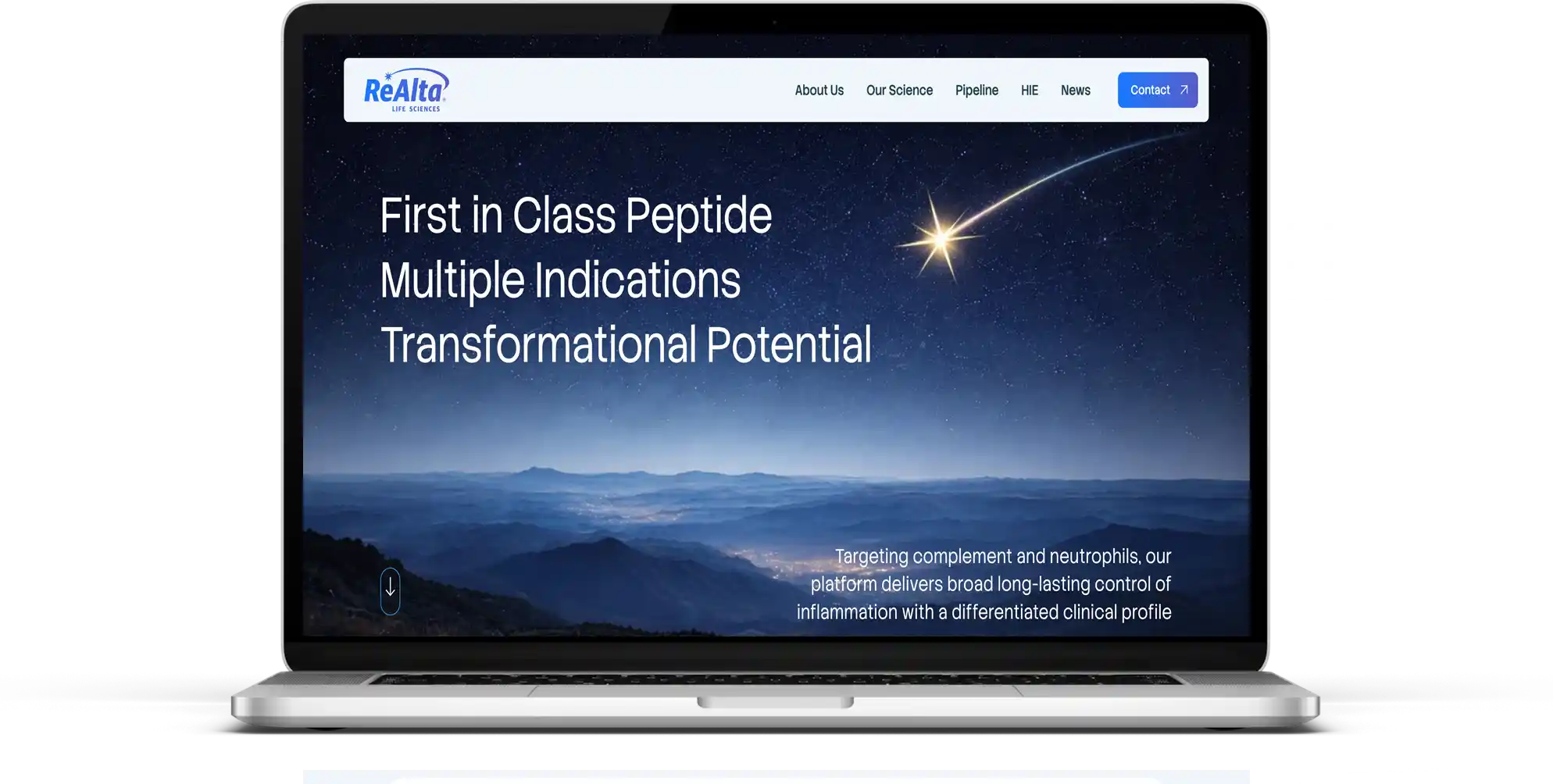
ReAlta Life Sciences
ReAlta’s website focuses on scientific clarity and structured storytelling. Layered science pages and visual explanations help simplify complex immunology concepts.
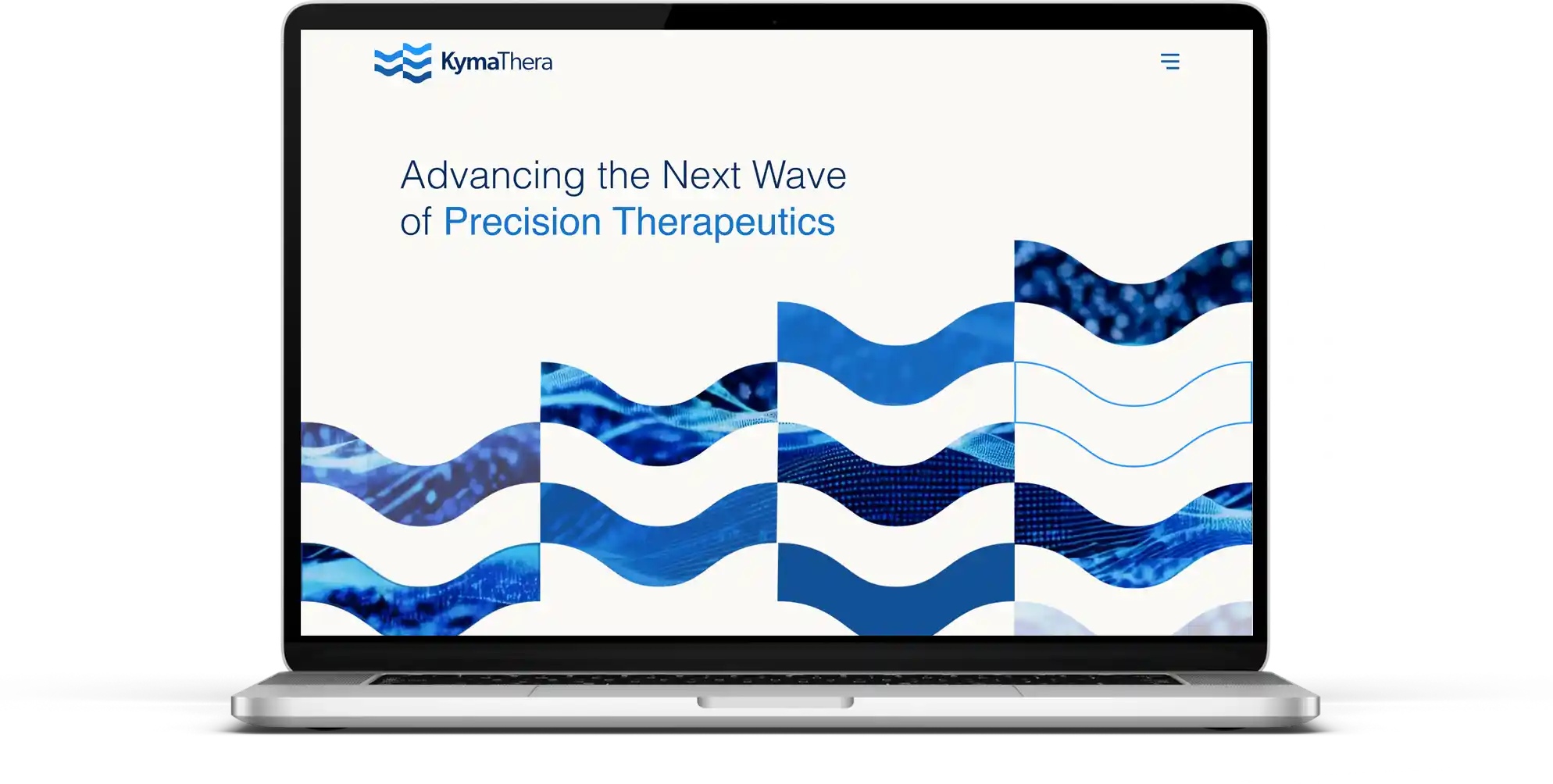
KymaThera
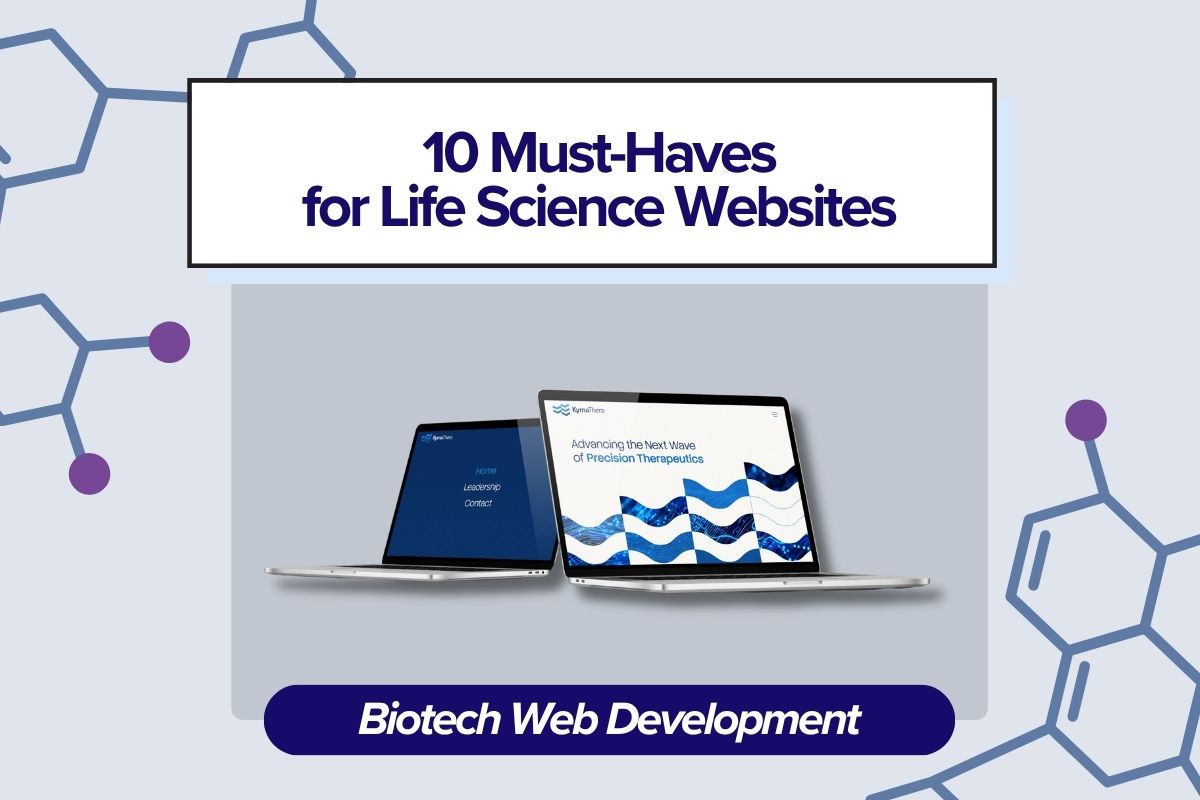
KymaThera’s website highlights its precision oncology strategy and uses a flexible architecture that can evolve as programs advance.
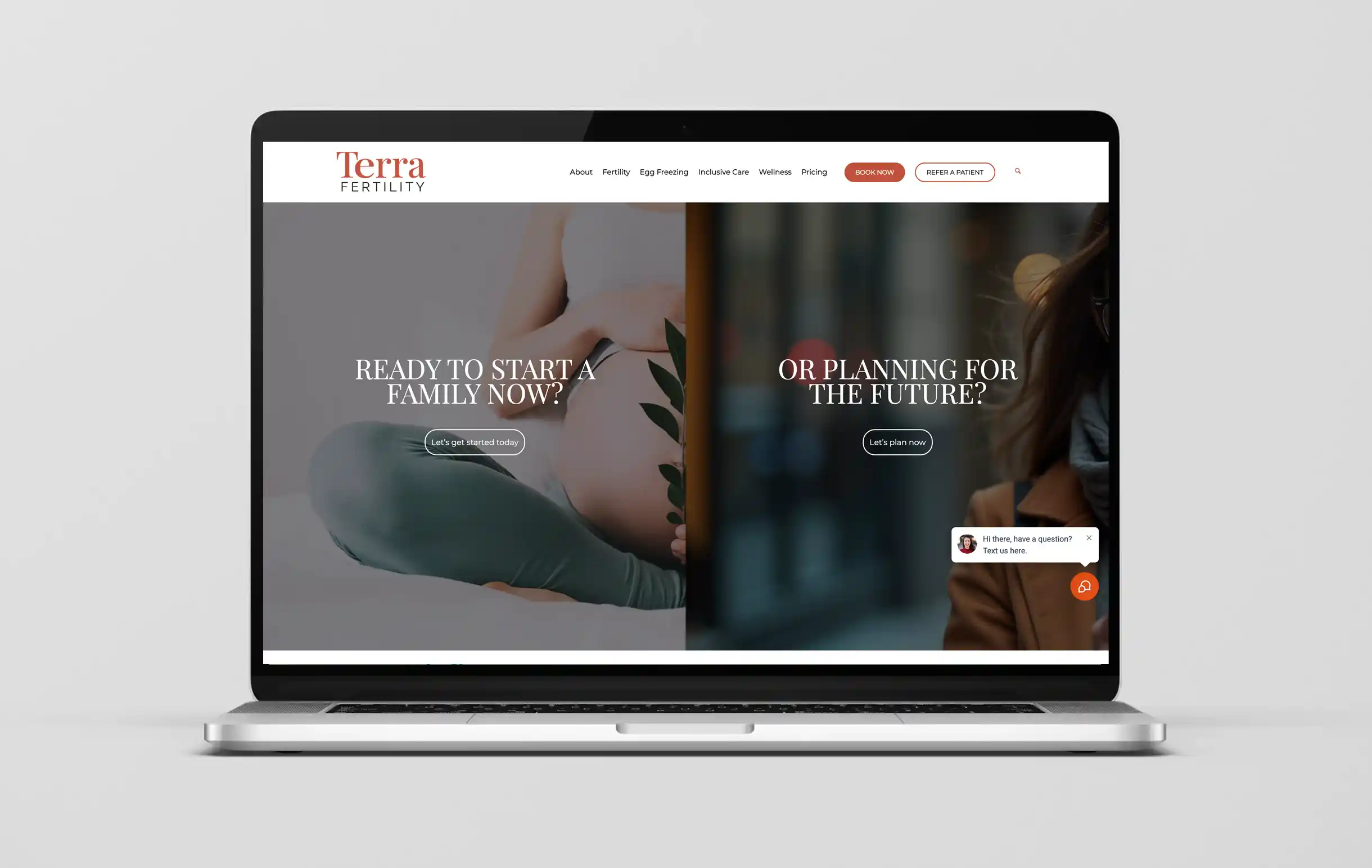
Terra Fertility
Although Terra Fertility operates in healthcare, the website demonstrates many technical best practices used in life science websites, including accessibility, performance optimization and structured content.
Evolving Your Biotech Website
- Organizations exploring improvements to their life science websites may also benefit from additional resources such as:
- Biotech website design portfolios
- Case studies from biotech and healthcare clients
- Website redesign strategies for life science companies
- SEO strategies for scientific organizations
These resources help companies understand how strong web development supports scientific communication, investor engagement and long-term growth.
Common Questions About Biotech Web Development
Why is biotech web development different from traditional web development?
Biotech websites communicate complex science while supporting investors, partners and recruiting efforts. Teams with biotech experience understand these needs and can implement specialized technical features more efficiently.
Why is technical SEO important for biotech companies?
Technical SEO ensures search engines and AI platforms can correctly interpret scientific content. Proper structure and optimization help important information appear in search results.
Do biotech websites need ADA accessibility compliance?
Yes. Accessibility standards such as WCAG help ensure websites can be used by people with disabilities and reduce legal risk.
What pages are typically included on a biotech website?
Most biotech websites include platform technology pages, pipeline overviews, program descriptions, publications, leadership profiles, news sections and careers pages.
How often should a biotech website be updated?
Websites should be updated whenever research milestones, partnerships, clinical developments or leadership changes occur. Ongoing technical maintenance is also essential for security and performance.