
New content ideas for your website or blog will help with online lead generation and website SEO and should be a part of your company’s marketing strategy. Given the pace at which we consume online media, meeting demand is undoubtedly a challenge. It’s not always easy to produce high-quality content, and establishing a unique voice among a sea of brands can be challenging.
That’s why it’s important to remind yourself that quality trumps quantity every time. Even if you publish just one exceptional piece each week using the right content ideas, it can transform your blog’s performance. Focus on creating content that stands out, resonates with your audience, and genuinely adds value—rather than just trying to keep up with the constant churn.
Here are 25 content ideas for your website or blog that help you and your content marketing team come up with quality content to help you cut out your own niche.
Educational & How-To Content: Building Authority One Article at a Time
If you want to position your business as the go-to expert, educational content is the butter on your digital marketing bread. Readers love content that teaches, explains, or demystifies, but getting started can feel like teaching your cat to fetch. Here are practical steps to create helpful educational pieces that your audience and search engines will love:
- Identify the sticking points. What challenges, jargon, or tools trip up your customers? If you’re not sure, check your customer emails, support tickets, or browse forums like Reddit and Quora for common questions.
- Choose easy wins at first. Write a beginner’s guide that truly speaks to newcomers. Break things down into bite-sized steps, just like you wish someone had for you back in the day. Imagine explaining your field to your favorite aunt—clarity is key!
- Show the wrong turns. Everyone appreciates it when you lay out the classic rookie mistakes and how to avoid them. Add short anecdotes or bullet lists so readers can relate and learn without wading through a sea of tech-speak.
- Offer a walkthrough. Tackle a popular tool or process. Screenshots (or screen recordings if you’re feeling bold) make it extra helpful. Walk your audience through the steps and add one or two common pitfalls at each stage.
- Solve a pain point. Pick a common customer frustration. Next, create an actionable guide to fix it. Structure your post with a clear “Problem → Solution → Quick Win” layout.
- Gather FAQs. List the questions you answer repeatedly. Consolidate them into a single post and update it as new ones come in. Readers love a single source for guidance, and you’ll save yourself email replies to boot.
- Explain industry-speak. Take your field’s apparent gobbledygook and translate it for mere mortals. Use simple analogies or real-world examples—a reader who gets it is a reader who sticks around.
- Share your processes. Transparency builds trust. Outline your onboarding steps or typical client journey, and include real-life testimonials where possible. A behind-the-scenes peek helps remove the “fear of the unknown.”
- Prepare checklists. For events, launches, or common projects, turn your knowledge into downloadable checklists or prep guides. Canva and Google Docs are your friends.
- Summarize the basics. Create “Beginner’s Guides” to core topics. Use headings, numbered steps, and a friendly closing tip like you’d give a friend starting out.
Ladybugz pro tip: End each educational post with a call to action, whether it’s inviting questions in the comments or directing readers to a next-step guide. The conversation doesn’t end with your article.
Showcasing the Human Side: Behind-the-Scenes & Brand Building
Modern audiences want to connect with people, not just products. Bringing your brand’s personality to the forefront doesn’t require a Netflix documentary crew, just a little creativity and authenticity. Here’s how to start:
- Document a typical day. Snap a few photos or grab short video clips of your workspace and what you and your team actually do. Narrate it, as if chatting with a neighbor.
- Share your tools. Write a post or film a quick tour showing the gadgets, software, or routines that keep your operation humming. Bullet lists or Instagram stories work wonders here.
- Spotlight your people. Interview a team member, ask about their day, their favorite snack, and what excites them about their work. Add a friendly headshot and fun fact.
- Tell your origin story. Don’t worry if you didn’t start in a garage a la Apple just be honest about what inspired your business. Readers connect with real motivations and hurdles.
- Describe your process or workspace. Whether it’s a cozy kitchen, bustling co-working space, or home office with a mischievous pug, show viewers where the magic happens.
- Share productivity hacks. Explain how you or your team stays productive or creative—a simple routine, favorite playlist, or even a “fail” that led to a better approach.
Ladybugz pro tip: Don’t overthink the production value. Authenticity beats polish, especially when you sprinkle in a little humor or heartfelt storytelling.>
Thought Leadership: Sharing Insights That Matter
Want to stand out as the wise owl in your field? Share your perspectives, predictions, and lessons learned so others see you as ahead of the curve, not just following the flock.
- Analyze trends. Choose one rising trend (like AI, eco packaging, or short-form video) and explain what it could mean for your industry. Use simple language and examples; they don’t need a degree to follow along.
- Offer your take on big topics. Weigh in on relevant industry news or debates by summarizing the issue and clearly stating your view. Invite respectful discussion (“What do you think?”), rather than preaching to the choir.
- Make predictions. Use what you know to forecast changes for the coming year or quarter. Even if your crystal ball is cloudy, sharing your rationale builds trust.
- Tell “failure” stories. It’s powerful to admit what didn’t work and explain how you adapted. Lay out what happened, what you learned, and a positive next step. Others appreciate your candor and growth mindset.
Remember: Your unique experience is your edge. Don’t be afraid to show both the tough lessons and the little victories!
By starting small and sharing genuine, helpful insights, you’ll not only fill your content calendar—you’ll build lasting trust and grow a distinctive brand voice your readers remember.
Building a Content Calendar That Works
When mapping out your content calendar, focus on strategic planning rather than sheer volume. Start by identifying which content ideas best support your current business objectives—whether that means boosting brand awareness, generating leads, or educating your audience on specific topics. From there, prioritize quality over quantity: it’s far more effective to publish one truly valuable piece per week than churn out multiple mediocre posts.
Take the time to develop each article, crafting posts that offer fresh insights or practical takeaways for your readers. Over time, consistently sharing well-developed content tailored to your goals will strengthen your brand’s authority and help your blog stand out—even in a crowded digital landscape.
Tools to Help You Brainstorm Fresh Content Ideas
Stuck staring at a blank page, wondering what to write next? Thankfully, there are plenty of tools designed to spark your creativity and keep your content calendar full. Whether you prefer a structured approach or want to tap into the raw musings of internet communities, there’s a tool for every style.
Here are some favorites to help you brainstorm your next standout blog post or website update:
- AI-powered generators: Tools like ChatGPT can help you break through writer’s block by providing instant suggestions based on simple prompts. Adjust your queries, and these tools adapt—making them useful for everything from listicles to in-depth guides.
- Question aggregators: Services such as AnswerThePublic and Quora show you exactly what your potential readers are asking online. You’ll discover trending questions and keywords, giving you a direct line into what your audience is hungry to know.
- Blog topic creators: If you’re looking for quick, bite-sized brainstorming, blog topic generators (like the one from HubSpot) spit out fresh angles and spins with minimal effort. While they might not win a Pulitzer, they’re a handy starting point when you need ideas fast.
- Trend spotters: Tools like BuzzSumo let you see what’s performing well in your niche. Analyze top content types and topics, then craft your own take to ride the wave of what’s already gaining traction.
- SEO and analytics tools: Don’t overlook resources like Google Search Console. These can reveal what users are actually searching for when they find your site and where there may be gaps begging for new content.
- Online communities: Scouring forums and social spaces like Reddit can uncover what real people are currently fascinated by. Niche discussion boards are a goldmine for unique, timely ideas you won’t find in generic lists.
Pro tip: Mix and match these tools for the most robust results. For instance, pinpoint a content gap with your analytics tool, then expand the idea via an AI brainstormer, and refine it further using audience questions from Quora or Reddit. This multi-pronged approach works wonders for any kind of blog—from tech to travel, fashion to finance.
Most importantly, listen to your audience’s comments, questions, and feedback on your existing content. Often, the best inspiration comes directly from those you aim to serve.
Sample Blog Titles and Target Audiences
Kickstart your brainstorming by pairing these content ideas with potential titles and a focus on who will benefit from each piece.
Beginner Guides
- Example title: “Launching Your Freelance Design Career: The Zero-Experience Playbook”
- Who it’s for: Complete beginners looking for guidance as they break into a new industry.
- Common Mistakes and How to Avoid Them
- Example title: “Don’t Trip Up: 7 Mistakes Rookie Content Creators Make (And How to Dodge Them)”
- Who it’s for: People just starting out, plus intermediates eager to improve their skills.
- Lessons Learned and Candid Advice
- Example title: “If I Could Start My Marketing Agency Again: Hard Truths for New Founders”
- Who it’s for: Those making big decisions who want real-world advice from someone who’s been there.
- Step-by-Step Tutorials
- Example title: “Editing Like a Pro with Canva: A Simple Walkthrough (No Design Degree Needed)”
- Who it’s for: Readers hoping to master a specific tool, especially if they feel intimidated by technology.
- Solving Niche Pain Points
- Example title: “Outsmarting Bad WiFi: Quick Fixes for Remote Teams”
- Who it’s for: People who need actionable answers to a stubborn problem, usually under time pressure.
- Industry FAQs
- Example title: “Small Business SEO Questions Answered: From Moz to Must-Know Basics”
- Who it’s for: Researchers comparing options, gathering info, or just learning the ropes.
- Jargon Busters
- Example title: “What is Responsive Web Design? A Plain-English Guide for Small Business Owners”
- Who it’s for: Anyone who’s ever nodded along in a meeting without fully understanding the lingo.
- Behind-the-Scenes Peeks
- Example title: “A Day in the Life: What an Ad Agency Really Looks Like (Coffee Not Optional)”
- Who it’s for: Curious readers who like to see what happens before the magic hits the internet.
- Personal and Team Stories
- Example title: “Meet Our Intern: From TikTok Star to Social Media Maven”
- Who it’s for: Supporters who care about the people behind the brand.
- Creativity and Productivity Insights
- Example title: “How Our Team Stays Creative (Even with Back-to-Back Zoom Meetings)”
- Who it’s for: Professionals on the hunt for new ways to boost output and stay inspired.
- Workspace Features
- Example title: “Our Studio Space: Tour the Home of Boston’s Quirkiest Designers”
- Who it’s for: Followers fascinated by how design, space, and work culture connect.
- Trendspotting
- Example title: “From Threads to TikTok Shop: What’s Next in Social Media Marketing?”
- Who it’s for: Forward-thinking business owners and marketers keeping an eye on what’s around the corner.
- Taking a Stand
- Example title: “The Remote Work Debate: Our Take on Productivity vs. Presence”
- Who it’s for: Readers weighing both sides of hot industry topics, eager for expert perspective.
- Predicting the Future
- Example title: “5 E-Commerce Trends That’ll Shape Shopping in 2026”
- Who it’s for: Planners, strategists, and early adopters aiming to stay ahead of the curve.
Mix these formats and angles with your brand’s unique voice, and you’ll never be stuck for content inspiration.
Tap Into Multiple Tools to Supercharge Your Brainstorming
Using a mix of blog topic idea tools can breathe new life into your brainstorming sessions. Why? Each platform brings its own strengths—one might help you spot what’s missing in your current lineup, while another spins out fresh takes on those gaps you’ve discovered.
Let’s say you’re running a fashion blog. By blending tools that help uncover content gaps with others that generate specific post ideas, you’ll never run dry on inspiration. This might mean uncovering untapped topics such as emerging trends, seasonal outfit ideas, or style advice readers are currently searching for—so your content always feels one stylish step ahead.
How to Categorize Content for a Well-Rounded Strategy
Before you start brainstorming individual topics, it’s helpful to map out the big picture—how will you categorize your content to maximize impact? Building a balanced content plan isn’t just about variety for variety’s sake. It’s about making sure every post serves a clear purpose, reaching your audience at different points in their journey, and supporting your company’s broader marketing goals.
Here’s how you can think about organizing your content:
- Educational & How-To Pieces
These posts answer burning questions, teach skills, and establish your business as a trusted resource. Think: step-by-step tutorials, checklists, explainer videos, and beginner’s guides. Example: “How to Fix a Leaky Faucet—No Plumber Needed.” - Behind-the-Scenes Content
Humanize your brand and show the real people and stories powering your business. Share a “day in the life,” staff spotlights, or the story behind a new product launch. - Thought Leadership
Share your perspective on industry trends, future predictions, or commentary on breaking news. These posts can position you as a go-to expert, whether it’s an analysis of Google’s latest algorithm update or insights from your founder. - Promotional Content
Highlight product launches, limited-time offers, upcoming webinars, or customer success stories. Just balance these posts among less overtly “salesy” content. - Seasonal & Timely Topics
Whether it’s “Spring Cleaning Checklists,” “Holiday Buying Guides,” or “2025 Marketing Trends,” tapping into the calendar can keep your brand relevant and inspire new content ideas. - Community-Driven Content
Let your customers and fans take the spotlight! Feature user-generated content, run Q&A sessions, or profile top contributors from your community. - Evergreen Posts
These are the steady performers—content that remains relevant over time. Think of FAQs, “ultimate guides,” or resource roundups. They provide long-term value and keep bringing new visitors to your site.
By mixing and matching these categories, you can craft a content calendar that hits multiple goals: building authority, nurturing relationships, driving conversions, and keeping your online presence fresh.
With this framework in place, you’ll be ready to dive into specific topic ideas—let’s get inspired!
How Many Content Ideas Should You Have Ready?
To keep your content marketing engine running smoothly, it’s smart to have a pool of 20 to 30 fresh ideas queued up at all times. Having this stash of topics—from how-tos to case studies and everything in between, means you’ll never have to scramble for inspiration when the next deadline sneaks up.
A well-organized content calendar aligned with your business goals can make the process even easier, allowing you to plan ahead and stay nimble as trends shift or new opportunities arise. This way, your blog or website always has something timely (and interesting) to share.
Top Tools for Content Brainstorming: Features, Uses, and Limitations
Even the most creative content teams hit a wall now and then. Fortunately, there are a host of digital tools at your fingertips to keep those blog topic engines running. But with so many choices, it helps to know which ones are best suited for your needs (and your patience level). Here’s a quick roundup of popular resources, what they do best, and where they come up short:
- ChatGPT: This AI assistant shines when you need fast topic ideas or want to develop outlines with a bit of back-and-forth. It’s conversational and flexible, but the results depend on how well you phrase your prompts. You may find yourself refining or repeating your requests for the best outcome.
- AnswerThePublic: Ideal for uncovering the questions people are actually searching for online. It provides visual maps and clusters of queries, a gold mine when building FAQ pages or brainstorming how-tos. However, free searches are limited, so use your queries wisely.
- HubSpot Blog Topic Generator: A go-to for a quick burst of inspiration, especially if you’re after headline variations or a fresh angle. The interface is simple, but the free version tends to repeat itself or stick with basic combinations rather than unique topics.
- BuzzSumo: If you’re all about spotting hot trends or checking out what’s getting traction in your niche, BuzzSumo is invaluable. It helps you analyze which topics perform well and what your competitors are up to. Be prepared, though; full access requires a paid subscription.
- Google Search Console: Excellent for understanding exactly what visitors are searching for on your own site, making it perfect for finding content gaps or unexpected keywords. The catch? You’re limited to your current traffic and content, so it’s not the best for brainstorming brand-new ideas from scratch.
- Quora: For genuine questions from real people, nothing beats Quora’s user-generated pools of curiosity. You can uncover pain points, misconceptions, and trending discussions straight from your audience. The trade-off is time, you’ll need patience to comb through threads.
- Reddit: This is where niche communities and trending debates thrive. Dive into specific subreddits to see what’s top of mind in any industry or hobby. While it’s great for raw, unfiltered insight, regular lurking and participation are a must to get the most out of it.
Mixing and matching two or more of these platforms can be your secret weapon for well-rounded brainstorming. For instance, you might use Search Console to discover gaps, then toss the best ones into ChatGPT for outline magic. Or browse Reddit to catch wave-of-the-moment topics you won’t find on other platforms.
Pairing human creativity with these digital helpers means you’ll never run out of content ideas—or ways to stand out from the crowd.
Essential Tips for Beginners Starting a New Journey
Embarking on a new path—whether it’s launching a business, picking up a hobby, or diving into an unfamiliar field—can be both exhilarating and overwhelming. Before you leap into that fresh endeavor, consider these key points to set yourself up for success:
- Do your homework: Take time to research what you’re getting into. Websites like HubSpot or Moz offer a wealth of beginner-friendly resources, guides, and community insights if you want to avoid rookie mistakes.
- Set clear, achievable goals: Instead of vague ambitions, jot down specific milestones. This approach makes tracking progress—and celebrating small wins—much easier.
- Connect with others: Seek advice from mentors or join online forums like Reddit or Quora, where experienced folks are often happy to share what worked (and what didn’t) when they were starting out.
- Expect some bumps: Every journey has its hurdles. Accept that setbacks will happen; the important part is learning from them rather than giving up at the first sign of trouble.
- Be patient: Progress usually comes in baby steps, not giant leaps. Celebrate growth—even if it’s incremental—and stay persistent.
- Keep your budget in check: Especially if your pursuit involves an investment, it’s wise to outline a budget and plan for unexpected expenses.
- Avoid comparison traps: Everyone’s journey is unique. Looking at seasoned professionals on Instagram or YouTube can be inspiring, but don’t let it discourage your own progress.
- Stay organized: Whether you’re using Google Calendar, Evernote, or a plain notebook, keeping tasks, deadlines, and ideas organized will ease your stress as you move forward.
- Don’t forget to have fun: While progress matters, enjoyment keeps you motivated. Build in rewards and moments to reflect on how far you’ve come.
Arming yourself with these tips will give your new venture a much stronger foundation.
1. Ultimate guides for products and services
If your business focuses on sales of a particular item, then your blog will more than likely have multiple posts introducing potential clients to the uses and benefits of your product vs other brands and varieties. While these posts are great for inbound marketing, they are often buried in the sheer volume of similar posts on competitors’ websites.
To help yourself stand out with a great content idea for your website or blog, write a “comprehensive” or “ultimate” guide to buying your product. Include industry information and links to your other posts to increase SEO. As a bonus, your website will stand out as authoritative and most trustworthy.
What makes an “ultimate guide” so valuable?
An ultimate guide serves as a one-stop, in-depth resource covering all the significant aspects of a central topic in your industry. Think of it as the go-to handbook your audience didn’t even know they needed—whether it’s “Everything You Need to Know About Choosing the Right Kitchen Appliance” or “The Complete Beginner’s Guide to Home Automation.” These guides go beyond basic blog posts by offering thorough explanations, practical examples, and helpful tips, making them invaluable to committed readers eager to understand an essential subject in depth.
Not only does this approach provide real value for your audience, but it also positions your business as a trusted authority, a source people return to for answers. And, with strategic internal linking and well-researched industry insights, your ultimate guide can become a magnet for both search engines and new leads.
You can also create lead magnets like “Additionally, your company can create lead magnets such as free proposal templates, which can be a powerful tool to attract potential clients. ”
2. Interactive graphics
Most people don’t have the time or patience to read long documents. According to the Nielsen Norman Group, most users spend about 20% of their time scanning the text on a page. Most people spend less than a minute on an average website.
Since your end goal would be to communicate your message or idea to potential buyers or site visitors, it is a great content idea for your website or blog to use interactive graphics or even infographics that will convey the most information using the least amount of space.
3. Try an “Ask the Columnist” style
Although this type of column is usually reserved for newspapers, having a daily or even weekly blog post that answers visitor questions has the potential to keep readers interested enough in your blog that they will keep returning. The idea behind this “ask the columnist” style is that it adds a human element to the website making it seem to visitors that they’re accessing an actual storefront rather than a mechanized web page.
4. Tie current events into your website
Search engine optimization (SEO) is the heart and soul of most blog posts since it helps determine the likelihood someone will read the content. One natural way to draw attention is to take advantage of the rise of the twenty-four-hour news cycle. If you can find a way to tie your service or product to a current event that is already gaining widespread attention, you can use it as leverage to advertise your company’s goods or services.
5. Conveying information as a story for content on your website
There’s a reason most people can’t stand textbooks but novels sell like hotcakes. People love stories and would rather be engaged in a story rather than have to read large volumes of information.
Try writing your next blog post in the form of a narrative. It could be first person or third person, but the aim is to keep it interesting yet relevant to your blog’s topic.
6. Collaborative posts on your website
Sure, there are many competitors online, but why should that be an obstacle? Social media has shown that collaborations are one of the easiest ways to reach new audiences. Consider collaborating with a colleague or partner in your industry to write a collaborative blog post. This helps people from a wider following to take notice of you. It will also help you boost your social media posts and drive more traffic to your website and blog, as your collaborators will be eager to share this content on their channels. You can also tag or mention them on social media to tip them off and make it easy for them to share your collaborative content.
7. (Continually) Updated website content
Instead of coming up with a completely new topic, a great content idea for your website is writing an update to an older blog post. By recycling older content and updating the information on your website your readers will know that you keep your website up-to-date and will be more likely to visit again.
Consistency is key in content marketing. To keep your site fresh and relevant, consider setting a realistic publishing schedule—one that you can actually stick to.
Repurposing existing content is a smart way to maintain momentum; for example, turn an old blog post into a new video, infographic, or podcast episode. You can also batch-create content during your most productive moments, draft several blogs, or film multiple videos in one go, so you constantly have updated material ready to share.
Regularly updating your website signals to visitors (and search engines) that your content is current and reliable. This not only encourages repeat visits but also helps build trust and authority in your niche.
8. Ask your followers on social media to contribute
Sometimes it’s best to go straight to the source and ask followers what they’d like to hear about. Content marketing can be tricky when you’re trying to guess what to cater. If you flip this formula on its head and conduct a poll on platforms like Instagram and Twitter you can stay one step ahead of the game.
9. Use photojournalism throughout your blog and website
This is similar to the use of infographics except that it requires much less work and is more cost-effective. Using a picture-based blog you can capture the attention of a much wider audience without having to worry about holding their attention with wordplay. Pictures can be shared among people of various languages and can be spread on your own company’s Instagram, Facebook, or Twitter page.

10. Invite writers to guest post on your website
Sometimes it’s nice to take the pressure off and let someone else do the job for you. The web has a plethora of writers and content creators who are always looking to expand their sphere of influence. Using varied content ideas for your website such as a guest writer can be a great way to help them get the exposure they are looking for while you benefit from an influx of potential new readers.
When using guest writers or bloggers, they should be experts in your industry or niche and offer that is of value to your users. Guest writers have the added bonus of being able to promote your content on their channels too. Guest blogging is a two-way street and should always benefit both parties. Featuring industry experts on Quiz Maker Plugin can enhance credibility and engagement, especially when they contribute unique quizzes or interactive content.
11. Podcasts and audiobooks
Sometimes you want to take a break from reading the screen and just listen.
It is a great idea for your website or blog to feature a podcast or audiobook that helps support your content in a convenient way for the user. Your audience can multitask while consuming your content, which makes them more likely to fully absorb the material you are providing. Podcasts or audiobooks on your website or blog are also more personal since your audience can hear your voice and expressions, making them feel more connected to you. Podcasts and audiobooks also help establish your website as an authority and can make you more discoverable through search engines.
12. Top/”Most Popular” lists
You can create a list such as a “Best of” list or a lessons learned list to engage your readers. List-style blog posts are very approachable, since a reader is able to simply skim the list and get an idea of your overall thoughts and perspective. Top lists engage users since it may spark curiosity as well as dial into trending topics that users may be actively searching for. Additionally, lists on your website or blog post can increase user engagement and can potentially attract a wider audience to your site. For example, if your website specializes in Shopify solutions, writing an article like 10+ Best Streetwear Shopify Themes Merchants Cannot Ignore can help attract traffic. This type of content will resonate with merchants looking for the best solutions for their online stores, drawing in a targeted audience while boosting engagement and broadening your site’s reach.
13. E-books
Including e-books on your website or blog can attract a wider audience, build web authority, generate more leads, and is a great tool to broaden your audience and email list. E-books allow you to showcase your expertise in a particular subject and can increase your credibility. Featuring downloadable E-books (in a PDF format) is also an excellent way to create engaging content for your audience that can be directly linked on your site. You can either monetize it, or offer it free to your audience as a gift for engaging with your site.
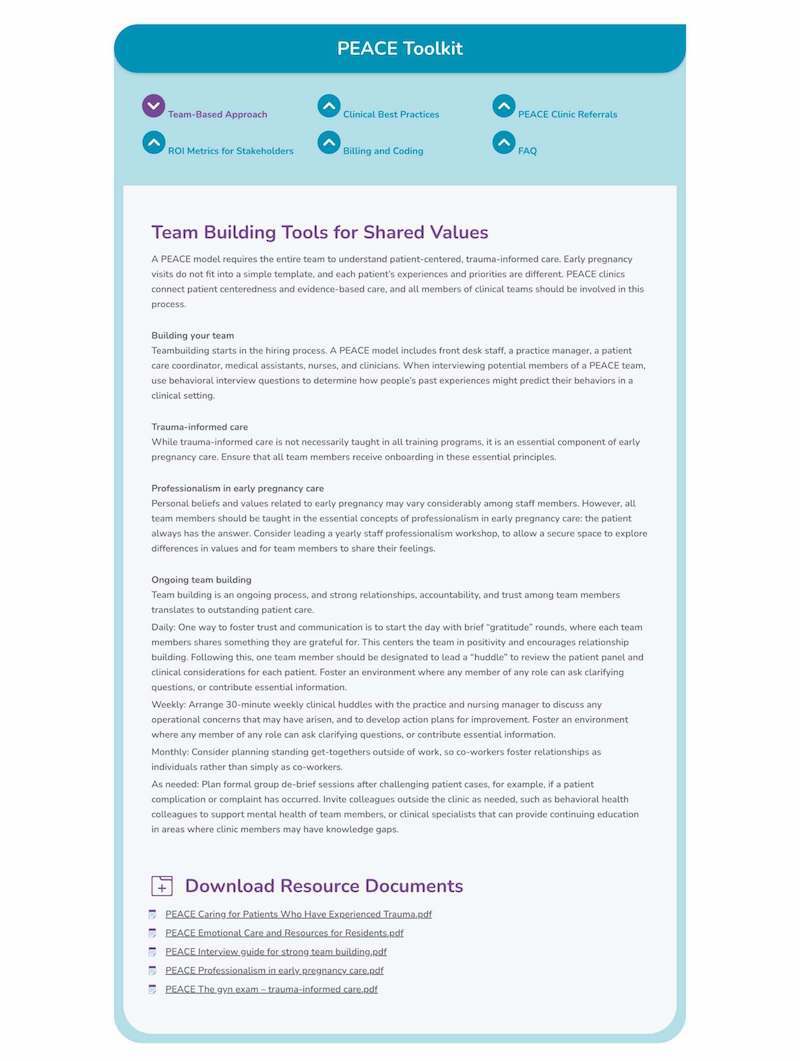
14. Interviews in case studies and blogs
Perspectives are everything. When your website or blog features interview-style written content, or a video interview, you are providing your audience with unique perspectives. Although you may have a lot of knowledge and personal experience within your industry or niche, it can sometimes be redundant and overwhelming when it is just coming from you. You can mix it up by having someone featured on your website or blog where you ask them questions your audience wants to hear. It can also potentially attract a wider audience and bring in new connections for you, since you are connecting with real people that have their own audiences.
15. FAQs on your website
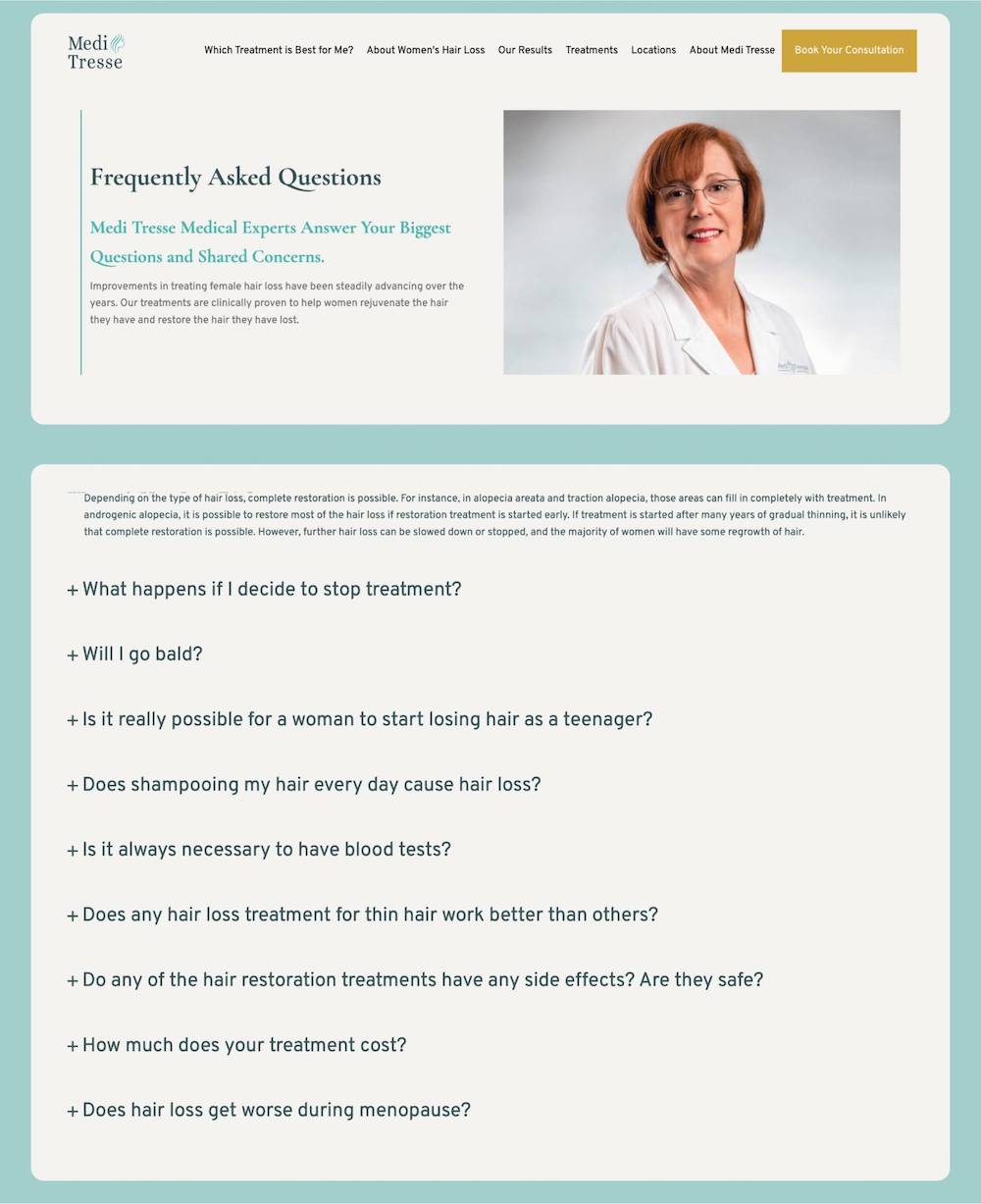
FAQs (Frequently Asked Questions) are a great way to provide insight into who you are and answer common questions that users may be searching for. When your website contains key questions and answers in relation to your business, that may strengthen your SEO which improves your overall web authority. Having a FAQ section on your website or blog allows you to present as approachable, transparent, and proactive to your audience in addressing any potential user concerns.
FAQs can be organized and displayed in several ways, an example being a drop down section where users can interact with your site and discover answers to their questions. These drop down sections can be organized by type of question or user to make it easier for them to find the answers they are looking for.
16. Use surveys or polls on your website for honest feedback
Using surveys or polls on your website or blog is an excellent way to gather honest feedback from your audience and to engage your users. Surveys help users feel heard and connected and improve the overall user experience. Although surveys can provide valuable insight and context, they can be lengthy and overwhelming for users. This is where polls come in handy. Polls are a quicker way to gather similar information to the way a survey does, but they are much more approachable. It may provide users with instant feedback by displaying poll results after submitting their feedback.
A significant benefit of using surveys and polls on your website or blog is that the results can be stored in a spreadsheet or database, ensuring they are secure and accessible for monitoring user experiences and preferences, and how they change over time. This allows you to make changes to your site or ask questions about how to start an online business model/company to cater to your users’ needs at any time.
Beyond collecting data, community-focused content, such as surveys and polls, transforms passive readers into active participants in your brand story. When you consistently recognize and engage your audience, you foster stronger relationships that lead to greater loyalty and stronger word-of-mouth. Investing in this kind of engagement not only helps you better understand your users but also yields dividends in retention and advocacy, as your audience feels truly connected and invested in your site.
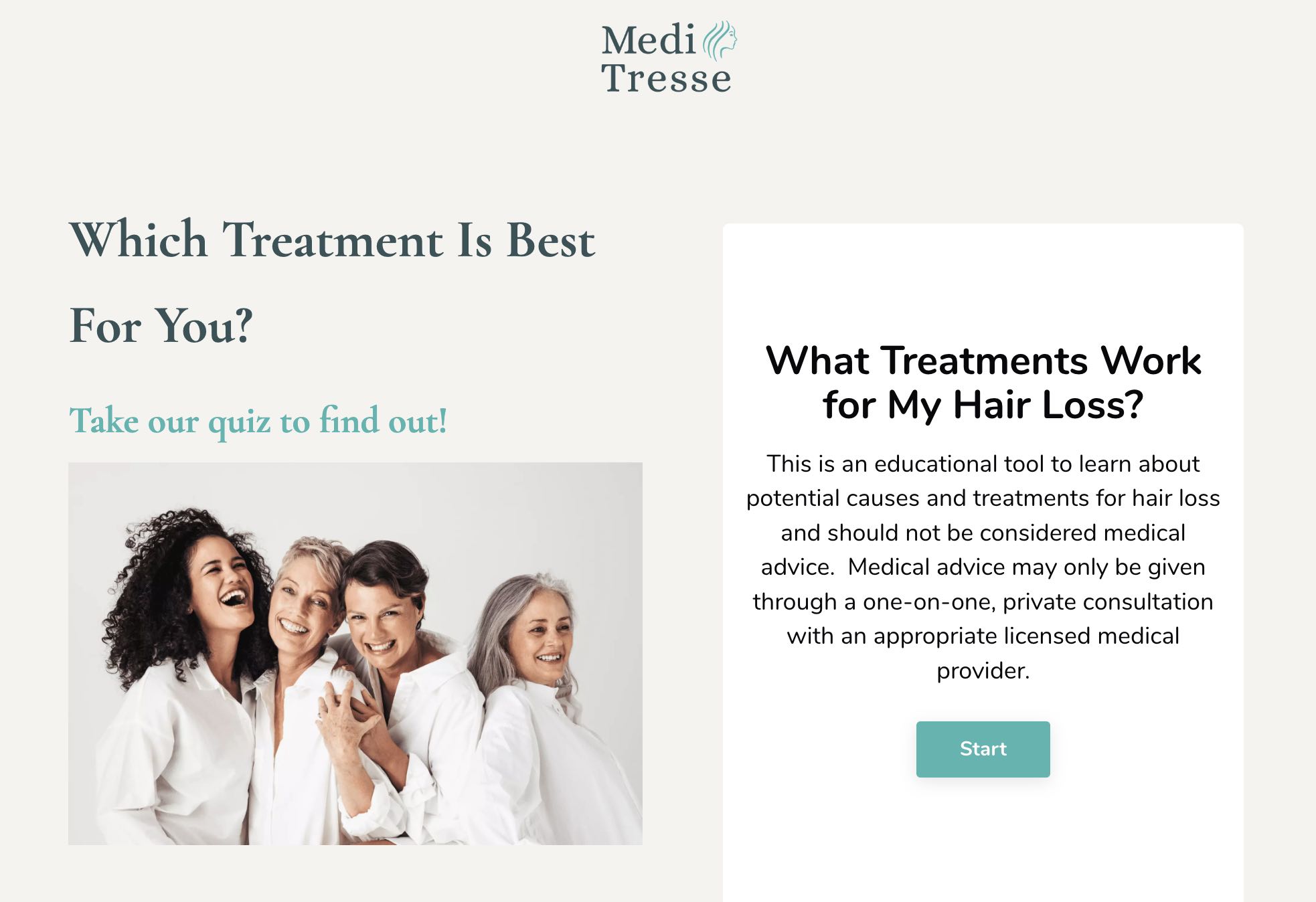
17. Video content speaks to visual learners
Did you know that viewers retain 95% of a message when they watch it in a video, compared to 10% when reading it in the text, according to Insivia. Incorporating video content into your website or blog is a fun and creative way to attract new visitors and engage existing users on your site. Video content is visually appealing and requires the user minimal effort to experience your site. It can effectively communicate the same information that text is able to convey, but in a unique and engaging way. Video content is able to be stylized and branded to fit your website and blog’s branding and it can be shared to other sites as well as social media channels to effectively boost your website’s visibility.
18. Tutorials
Including step-by-step tutorials or “How To” sections on your website or blog provides structured guidance to site users and can save you time and money when sharing your knowledge and expertise. Tutorials offer valuable content that helps your audience solve problems they are facing or may face in the future. They can use your content as a guide in their own daily lives, potentially making you more memorable to them. If they face similar challenges in the future, they may visit your website to learn more and check whether you have resources on their topic. They will see your website or blog as a guide and may share it with their contacts or on social media, bringing more views to your site and driving organic traffic.
How to solve specific audience pain points with tutorials
The most effective tutorials are those that directly address a common pain point for your target audience. For example, if your readers often struggle with poor lighting when photographing indoor events, a tutorial titled “How to solve poor lighting conditions when photographing indoor events?” can be a game-changer.
Make sure your tutorial includes:
- A clear description of the problem your audience faces
- Actionable, step-by-step solutions they can implement right away
- Practical tips or examples that make the process easy to follow
By focusing your tutorials on the real challenges your visitors are seeking, you not only provide immediate help but also position your blog as a go-to resource for problem-solving. This targeted approach enhances your content’s value and encourages users to return whenever they need guidance, turning one-time visitors into loyal followers.
19. Comparison: X vs Y
Adding an element of controversy to your blog post or website can intrigue potential users, bringing them to your site. When done right, a blog post centered around a debate between X and Y is a great way to get a conversation started, as well as showcase your expertise on two topics within your industry. You can compare the two, including the pros and cons, the similarities, the differences, as well as your professional opinion on which is better (if that is relevant to your topic). An X vs. Y debate in your blog post or website can also increase your SEO, as those terms are commonly searched.
20. Myth busting
When you challenge a popular myth with your expertise and knowledge, you can help your audience avoid mistakes and help them make correct decisions. Quoting popular myths on your website or blog post is also eye-catching, and can grab the attention of new users and get them onto your site. Make sure you find evidence-based information that contradicts the myth and explain why the statement is inaccurate. Then provide solutions for your reader, as well as your personal advice for them.
21. Case studies
Case studies on your website or blog provide real-world examples and can potentially give great insight into a particular subject. The reader may relate to the given scenarios which allows them to really connect with the information. This deeper understanding the user gets allows them to emotionally connect to the material, which may increase their time spent on the site and even coming back for more.
22. Wrap up a year or season
Summarizing the end of a quarter, season, or year on your website or blog is a great way to reflect on your accomplishments, celebrations, and successes. It gives you the opportunity to shine light on your biggest achievements and to show your expertise on your specific industry. There are many ways to wrap up a year or the end of a season. You can discuss top trends from the year, or predict future trends for the upcoming year (see #23). You can also highlight your top content or top-performing blogs from the year, which you can backlink. You can have fun with this! Share photos of your team and your favorite moments with your audience.

23. Year predictions
Sharing your predictions for the upcoming year is a great way to share your knowledge and professional opinion on what is up and coming within your niche. It shows that you are continually growing, exploring new trends in your industry, and developing your awareness. When you say, “this is what I think we will see in the upcoming year”, it shows that you are on a level of expertise that allows you to make such predictions. It shows your audience that you are reputable and that they can count on you to clarify expectations.
24. Inspirational content
Sharing content or media on your website or blog that you find interesting, informational, or inspirational is a great way to make your website or blog more personal. It allows you to form a community by connecting your audience through sharing unique content that resonates with you. It is a great way to incorporate backlinks and share other websites that you may frequently engage with.
25. Interactive forms
Everyone loves to share their input. Get your audience to interact with you through an interactive form. Interactive forms on your website or blog can enhance user engagement and allows your audience to actively participate and feel that their opinion matters. Interactive forms are also great to share on newsletters, email blasts, and social media channels. Forms can provide you with honest user feedback, allowing you to become more connected with your audience.